 Sunrise Marine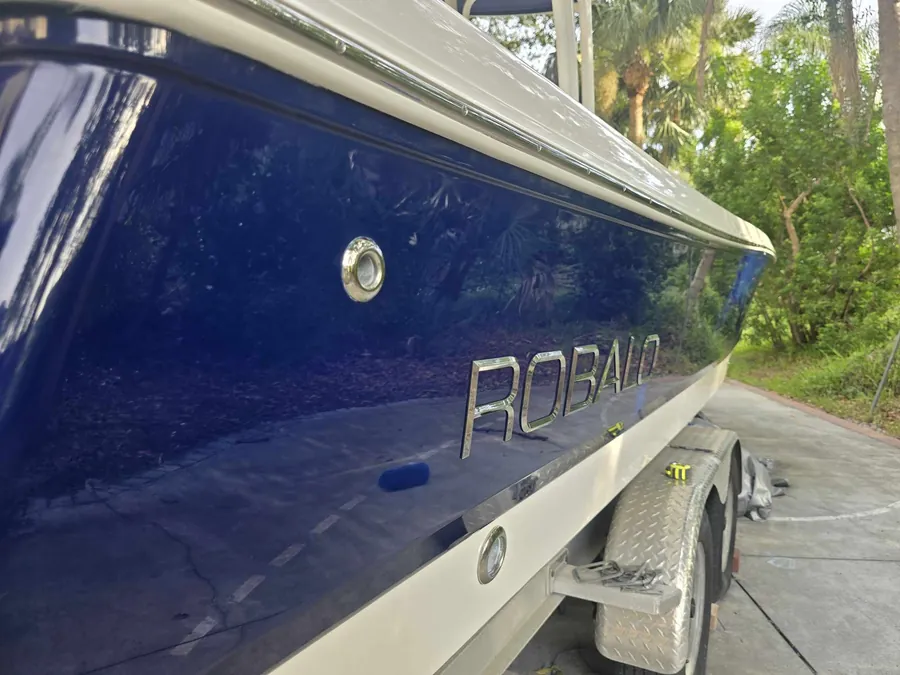
Florida boats chalk and fade faster because the state delivers a triple threat: extreme UV radiation, salt-laden air, and high humidity almost every single day. That combination breaks down gel coat far more quickly than cooler, drier climates. If your boat sits on Tampa Bay or the Gulf Coast, it faces this punishment year-round, not just in summer.
What Is Gel Coat Oxidation?
Gel coat oxidation is the breakdown of the resin surface that covers a fiberglass hull. Oxidation happens when UV rays and oxygen slowly destroy the polymers that give gel coat its shine. The result is a chalky, dull, faded surface that feels rough to the touch.
A healthy gel coat looks glossy and feels smooth. An oxidized surface looks flat or hazy and leaves a white powder on your hand when you wipe it. Left alone, oxidation goes deeper and deeper into the material.
Florida's UV Problem Is Unusually Severe
The UV index in St. Petersburg and the greater Tampa Bay area regularly hits 10 or 11 in summer. That is classified as "extreme" by the National Weather Service. UV at that level attacks gel coat much faster than the UV levels found in northern states.
Florida also sits close to the equator. The sun angle is more direct here than almost anywhere else in the continental United States. More direct sunlight means more energy hitting your boat's surface every hour it is outside.
Even winter days in Pinellas County bring strong UV. There is no cold-weather break that lets gel coat recover. The sun works on your boat 365 days a year here.
Salt Air Never Stops Working Against Your Boat
Salt particles in the air are abrasive and corrosive. They land on your hull and sit there, drawing in moisture. Over time, salt accelerates the chemical breakdown of gel coat and paint.
Boats stored at docks along Tampa Bay, the Intracoastal Waterway, or the Gulf beaches face constant salt exposure. Even a boat on a trailer in a nearby yard picks up salt spray carried by the wind. Rinsing your boat after every outing helps, but salt still finds its way into pores in the gel coat.
Salt damage and UV damage feed each other. UV weakens the surface, salt digs in, and the cycle repeats faster and faster.
Humidity Speeds Up the Damage
Tampa Bay is one of the most humid metros in the country. High humidity keeps moisture against the boat's surface almost constantly. That moisture works into any tiny crack or pore that UV and salt have already opened up.
Heat and humidity together also cause the gel coat to expand and contract slightly. Those small movements stress the surface over thousands of cycles. The result is micro-cracking that accelerates fading and chalking even further.
Ready for a showroom shine?
Free quote, mobile to your dock across Tampa Bay. Same-week booking.
Why Boats in Florida Oxidize Faster Than the Manufacturer Expects
Boat manufacturers test gel coat durability under average conditions. Florida conditions are not average. A boat that might stay glossy for many years in the Pacific Northwest can show heavy oxidation in a fraction of that time here.
Many new boat owners are surprised at how fast the shine disappears. They follow maintenance schedules designed for milder climates and find those schedules are not enough. Florida simply demands more frequent attention to keep gel coat in good shape.
Signs Your Boat Has Oxidation Damage
- The hull looks dull, flat, or hazy instead of glossy.
- Color appears faded or washed out, especially on darker hulls.
- You see a white chalky residue when you rub the surface.
- The surface feels rough or gritty instead of smooth.
- Water no longer beads up and rolls off the hull.
Catching oxidation early matters. Mild to moderate oxidation can often be corrected with professional oxidation removal and compounding. Severe oxidation that has gone all the way through the gel coat may require more involved repairs.
What You Can Do to Slow Chalking and Fading
Keep Up With Regular Washing
Washing removes salt, bird droppings, and grime before they have time to work into the surface. Recurring maintenance washes are one of the easiest ways to extend the life of your gel coat. A clean surface simply oxidizes more slowly than a dirty one.
Wax and Buff on a Regular Schedule
A good wax layer adds a sacrificial barrier between your gel coat and UV rays. Wax breaks down over time, especially in Florida heat. That is why a buff and full detail done on a regular schedule is so important here, not just a once-a-year treat.
Consider Ceramic Coating for Longer Protection
A professional ceramic coating for your boat bonds directly to the gel coat and creates a hard, UV-resistant shell. It lasts far longer than traditional wax. For boats in the Tampa Bay area, ceramic coating is one of the most effective tools for fighting Florida's harsh conditions.
Address Oxidation Before It Gets Worse
If you already see chalking or fading, do not wait. Professional boat oxidation removal can bring back a lot of the original shine. The sooner you treat it, the more gel coat you save.
Mobile Service Makes It Easier to Stay on Schedule
One reason Florida boats fall behind on maintenance is the hassle of getting to a shop. Sunrise Marine Detailing is a mobile crew, so they come directly to your dock or slip anywhere in Pinellas County. Boaters in areas like Dunedin and Tarpon Springs can keep their boats on a proper maintenance schedule without ever trailering anywhere.
When detailing comes to you, it is simply easier to stay consistent. Consistent care is the single best defense against Florida's relentless UV and salt.
Ready to Protect Your Boat?
If your hull is showing signs of chalking or fading, or if you just want to get ahead of the damage, the team at Sunrise Marine Detailing serves the full Tampa Bay area, including St. Petersburg, Clearwater, and coastal communities throughout Pinellas County. Contact us for a quote and we will come to your dock to assess what your boat needs.
FAQ
How quickly can a boat oxidize in Florida?
It varies by gel coat quality, color, and how often the boat is exposed to sun and salt. Some boats in Florida show noticeable oxidation within a couple of years without proper care. Darker colors often show fading even faster than white hulls.
Can oxidized gel coat be fully restored?
Mild to moderate oxidation can usually be significantly improved or restored through professional compounding and polishing. Severe oxidation that has gone all the way through the gel coat layer is much harder to reverse and may need additional work beyond detailing.
Is ceramic coating worth it for a boat in Tampa Bay?
For boats that spend a lot of time in Florida sun and salt water, ceramic coating is a strong investment. It bonds to the gel coat and provides UV and chemical resistance that lasts longer than wax. It reduces the frequency of intensive detailing needed over time.
How often should I wax my boat in Florida?
Most detailing professionals recommend waxing a Florida boat more frequently than in northern states because UV and salt break down wax faster here. A recurring maintenance schedule tailored to your boat's exposure and use is the best approach.
Does keeping my boat covered prevent oxidation?
A quality cover helps reduce UV exposure significantly when the boat is not in use. However, salt air and humidity still reach the surface, and covers are not always practical. Covering the boat combined with regular professional detailing gives you the best protection.