 Sunrise Marine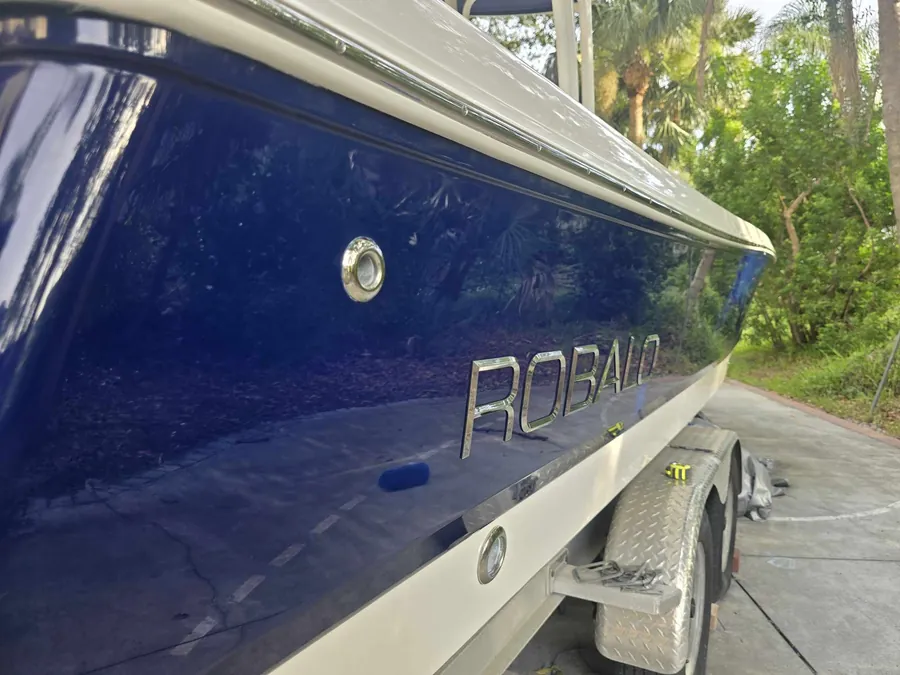
Boat oxidation is the chalky, dull film that forms on a fiberglass hull when UV rays break down the gel coat. It makes your boat look faded, feel rough, and can damage the surface if left alone. The good news is that oxidation is fixable with the right process and products.
What Is Boat Oxidation?
Boat oxidation is a chemical process where oxygen and UV radiation break down the resin in your boat's gel coat. The outer layer loses its shine and turns chalky or powdery. You may notice the color looks washed out or white streaks appear on the hull.
Run your hand across a suspect area. If chalky residue comes off on your fingers, that is oxidation. It is one of the most common problems boat owners face, especially here in Florida.
Why Is Oxidation Such a Big Problem in Tampa Bay?
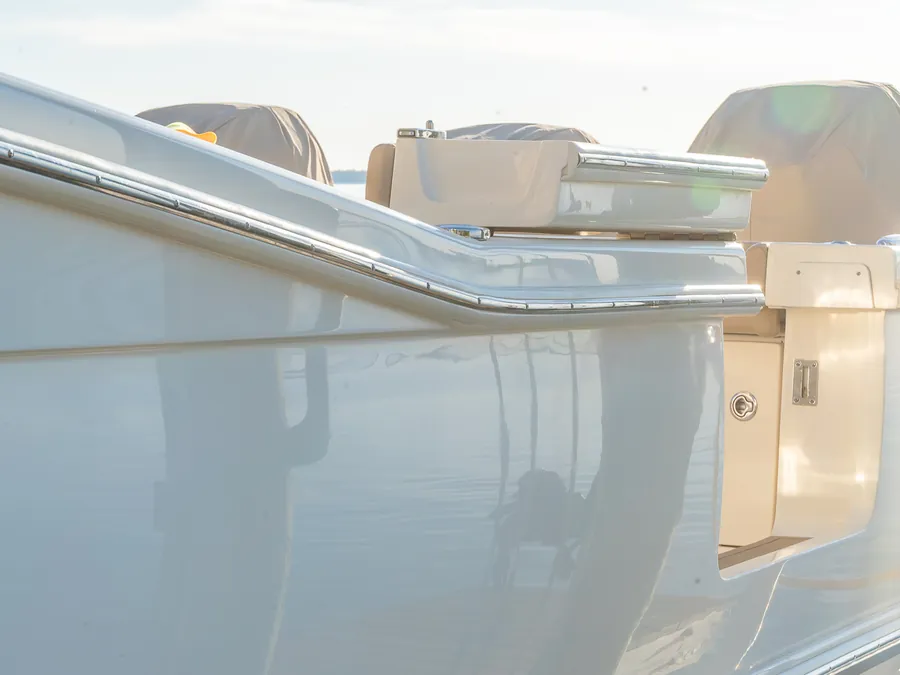
Florida has some of the strongest UV exposure in the country. Add salt air and humidity, and your gel coat takes a constant beating. Boats that sit in open slips without covers are especially vulnerable.
Tampa Bay is a year-round boating area. That means more time on the water and more sun exposure compared to seasonal markets up north. Even boats that are well cared for will show oxidation over time without regular protection.
How Bad Is Your Oxidation? The Three Levels
Not all oxidation is the same. Knowing the level helps you choose the right fix.
- Light oxidation: Slight dullness, color looks a little flat. A good polish and wax can bring it back.
- Moderate oxidation: Visible chalking, rough texture, faded color. Requires a compound and buffing machine.
- Heavy oxidation: Deep chalking, gray or white patches, pitting in the gel coat. Needs aggressive cutting compounds and professional equipment.
Heavy oxidation left too long can permanently damage the gel coat. At that point, repainting or re-gelcoating becomes the only option. Catching it early saves money and protects your investment.
Ready for a showroom shine?
Free quote, mobile to your dock across Tampa Bay. Same-week booking.
How Do You Fix Boat Oxidation?
The fix depends on how far the oxidation has gone. Here is a general overview of the process.
Step 1: Wash the Hull
Always start with a thorough wash. Dirt and salt crystals on the surface will scratch the gel coat during buffing. Use a marine-safe soap and rinse well before doing anything else.
Step 2: Apply a Cutting Compound
A cutting compound removes the oxidized layer by gently abrading the surface. Light oxidation may only need a light polish. Heavier cases need a more aggressive compound applied with a dual-action or rotary polisher.
This step takes patience and skill. Too much pressure or the wrong pad can burn through the gel coat. That is why many boat owners leave moderate to heavy oxidation to professionals.
Step 3: Polish to Restore Gloss
After compounding, a polish smooths out the surface and brings back the shine. This step removes any light swirl marks left by the cutting compound. The boat should look noticeably brighter at this stage.
Step 4: Protect the Surface
This step is critical. Without protection, oxidation will return quickly. You have two main options:
- Marine wax: Easier to apply, lasts several months, good for boats on a regular wash schedule.
- Ceramic coating: Bonds to the gel coat and lasts much longer than wax. Provides stronger UV protection and makes cleaning easier.
Learn more about long-term protection on our ceramic coating service page.
When Should You Call a Professional?
DIY polishing works for light cases on smaller boats. But moderate to heavy oxidation is a different story. A professional has the right machines, compounds, and experience to restore the hull without damaging it.
If your boat has heavy chalking, deep fading, or has not been detailed in several years, professional oxidation removal is the safer and more effective choice. Trying to rush through heavy oxidation with the wrong tools can leave swirl marks, uneven patches, or even burn through the gel coat.
How to Slow Down Oxidation Between Details
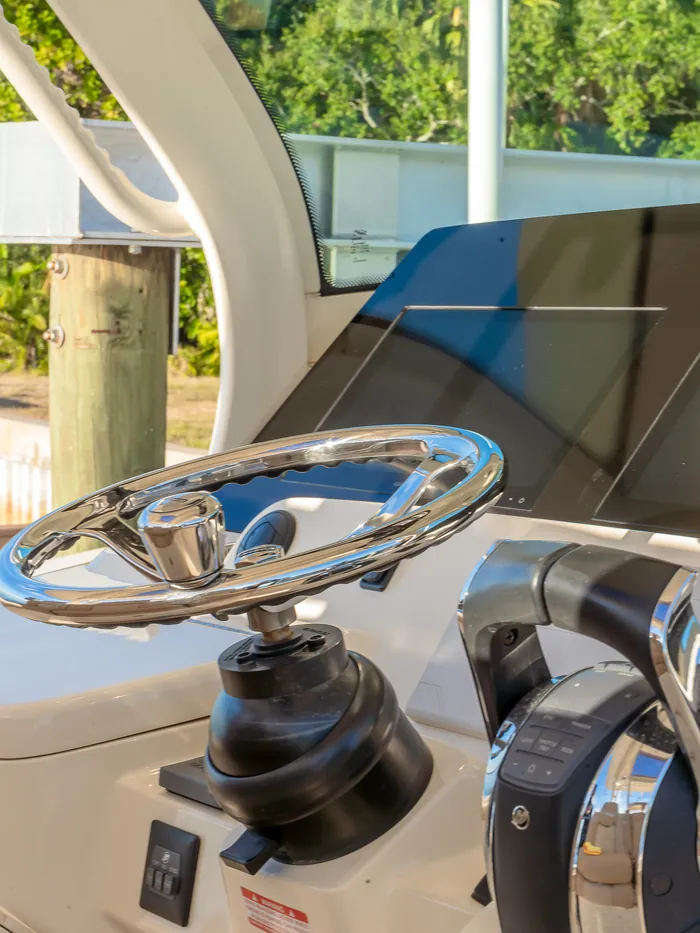
Prevention is far easier than restoration. A few habits can help your gel coat stay protected longer.
- Use a boat cover or store in a covered slip when not in use.
- Rinse with fresh water after every outing to remove salt residue.
- Schedule regular maintenance washes to keep the surface clean and protected.
- Reapply wax every few months, or invest in a ceramic coating for longer-lasting defense.
Consistent upkeep is the most cost-effective way to protect your hull. A boat that gets regular care rarely needs aggressive oxidation removal.
If you boat out of the Clearwater or St. Pete area, check out our boat detailing Tampa page for service details in your area. We also cover communities across Pinellas County, including Dunedin and Tarpon Springs.
For boats with dirty or musty interiors, our deep cleaning service tackles the inside while oxidation removal handles the outside.
Ready to Restore Your Boat's Finish?
Sunrise Marine Detailing serves boat owners throughout the Tampa Bay area, from St. Petersburg to Tarpon Springs and everywhere in between. Our mobile crew comes to your dock or slip, so there is no hauling required. Whether your boat needs light polishing or full oxidation removal, we can help you figure out the right plan. Contact us today to get a quote based on your boat's size and condition.
FAQ
How do I know if my boat has oxidation?
Rub your hand across the hull. If a white or chalky residue comes off, your gel coat is oxidizing. Dull color and a rough texture are also common signs.
Can I remove boat oxidation myself?
Light oxidation is manageable as a DIY project with the right polish and a dual-action polisher. Moderate to heavy oxidation is better handled by a professional to avoid damaging the gel coat.
How long does oxidation removal last?
That depends on how well the surface is protected afterward and how much sun exposure the boat gets. A wax finish may last a few months. A ceramic coating provides longer-lasting protection with proper maintenance.
Does oxidation hurt the boat's structural integrity?
Gel coat is a protective layer over the fiberglass. Severe oxidation that goes untreated can eventually allow moisture and UV damage to reach deeper layers. It is mostly a cosmetic issue at first, but it is worth addressing before it worsens.
How often should I have my boat detailed in Florida?
Because of Florida's strong sun and year-round use, most boat owners benefit from a full detail at least once or twice a year. Regular maintenance washes in between help slow oxidation and keep the hull in good shape.