 Sunrise Marine
You can remove most waterline stains from a boat hull using a hull cleaner, a stiff brush, and some elbow grease. Work on a cool surface, rinse the area first, and apply your cleaner directly to the stain. For heavy buildup or oxidized gelcoat, you may need a professional buff and polish.
What Are Waterline Stains?
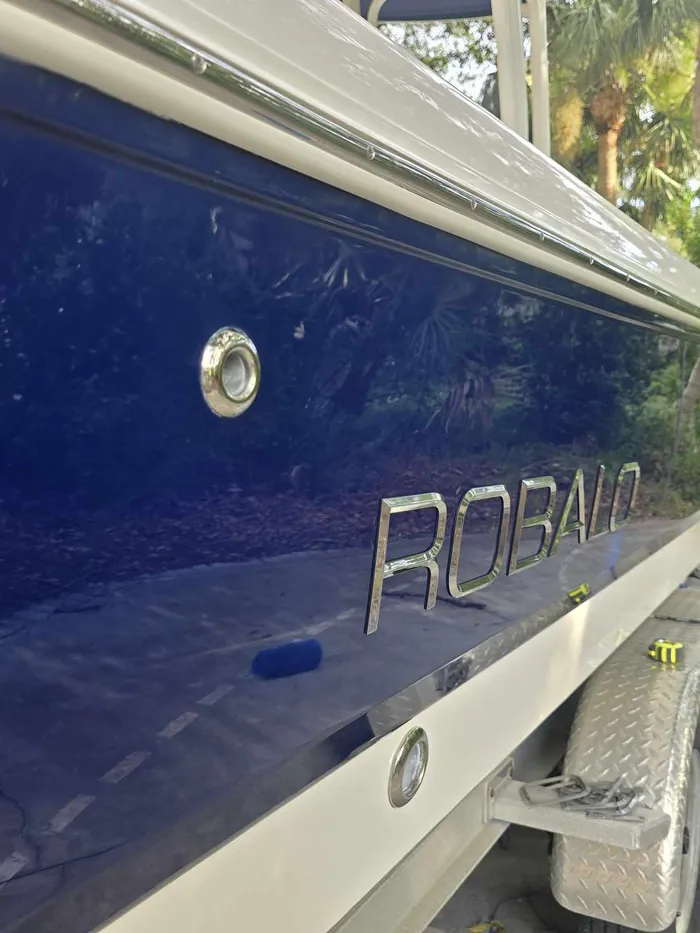
Waterline stains are discolored marks that form along the hull right at the water's surface. They appear as yellow, brown, green, or rust-colored bands. The stain line shows exactly where the boat sits in the water day after day.
Several things cause these stains. Algae and organic matter cling to the hull below the surface. Minerals in the water, like iron and calcium, leave deposits as the water evaporates. Tannins from rivers and bays also stain gelcoat quickly.
Why Waterline Stains Are a Problem
Stains are more than an eyesore. Left alone, they can etch into gelcoat and become much harder to remove. In Florida's warm water, algae growth speeds up year-round.
Salt spray and sun make things worse. UV exposure breaks down the gelcoat, making it porous and easier for stains to sink in. The sooner you treat a stain, the less work it takes to remove it.
What You Will Need
- A dedicated marine hull cleaner (look for one rated for gelcoat)
- A stiff-bristle brush or scrub pad (non-scratching)
- Garden hose with a spray nozzle
- Rubber gloves and eye protection
- Marine boat soap for a final wash
- Boat wax or polish to protect after cleaning
Avoid using household cleaners not rated for marine use. They can strip wax, dull gelcoat, or harm the water if you are cleaning dockside. Always check the product label for safety instructions.
Ready for a showroom shine?
Free quote, mobile to your dock across Tampa Bay. Same-week booking.
Step-by-Step: How to Remove Waterline Stains
Step 1: Rinse the Hull
Spray the entire waterline area with fresh water. This removes loose salt, dirt, and debris. A clean surface lets your hull cleaner work on the actual stain, not surface grime.
Step 2: Apply Your Hull Cleaner
Follow the product directions carefully. Most cleaners go on undiluted for heavy stains. Apply generously to the stained area and let it dwell for one to two minutes.
Do not let the cleaner dry on the hull. Work in small sections, especially on hot Florida days. Shade helps the product stay wet and active longer.
Step 3: Scrub the Stain
Use a stiff brush in a back-and-forth motion along the stain line. Apply firm, even pressure. You should see the stain lifting within a few strokes.
For stubborn spots, reapply the cleaner and let it sit a little longer. A second application almost always improves results on tough mineral or rust stains.
Step 4: Rinse Thoroughly
Rinse the entire area with fresh water right away. This stops the cleaner from sitting too long on the gelcoat. Rinse twice to make sure no residue is left behind.
Step 5: Wash and Protect
Follow up with a standard marine soap wash. Once the hull is dry, apply a quality boat wax. Wax creates a barrier that slows down future staining.
For longer-lasting protection, consider a ceramic coating for your boat. Ceramic coatings bond to the gelcoat and make it far easier to rinse away algae, minerals, and grime between washes.
When DIY Is Not Enough
Some stains go deeper than a cleaner can reach. If the hull looks chalky, faded, or dull around the waterline, oxidation is likely the real problem. Oxidation happens when UV rays break down the top layer of gelcoat.
No cleaner alone fixes oxidation. It requires machine polishing to remove the damaged layer and reveal fresh gelcoat underneath. Professional boat oxidation removal uses a series of compounds and buffing pads to restore the original color and shine.
If the interior of your boat also needs attention, a deep boat cleaning service handles mold, mildew, salt buildup, and staining inside the cabin and cockpit at the same time.
How to Prevent Waterline Stains from Coming Back
- Wax regularly: A fresh coat of wax every few months repels water and contaminants.
- Rinse after every trip: Fresh water rinsing removes salt before it can dry and stain.
- Schedule maintenance washes: Regular professional washes stop buildup before it becomes a stain.
- Apply ceramic coating: A ceramic layer dramatically reduces how much sticks to the hull.
- Keep antifouling paint in good shape: Below the waterline, good bottom paint slows organic growth.
In Tampa Bay, boats sit in warm, mineral-rich water year-round. That means stains form faster here than in cooler climates. Staying on a regular cleaning schedule makes a real difference over time.
Ready to Have It Done for You?
If the stains are beyond a DIY fix, or you just want the job done right the first time, the crew at Sunrise Marine Detailing can help. We serve boat owners throughout Tampa Bay, including St. Petersburg, Clearwater, Dunedin, and surrounding areas. We come to your dock or slip, so you never have to move your boat. Contact us for a quote and we will assess your hull and recommend the right service for your boat's condition and size.
FAQ
What causes the yellow or brown stain at my boat's waterline?
Yellow and brown stains are usually caused by tannins, iron minerals, or organic matter in the water. In Tampa Bay, tannin-rich water from rivers and bays is a very common culprit. A marine hull cleaner with an acid base handles these stains well.
Can I use household bleach to clean my boat's waterline?
Bleach is not recommended for gelcoat hulls. It can fade and dry out the surface over time. Stick to cleaners made specifically for marine gelcoat, as they remove stains without damaging the finish.
How often should I clean my boat's waterline?
In a warm-water area like Tampa Bay, cleaning the waterline every four to six weeks is a good habit. Boats stored in the water or used often may need more frequent attention. Regular maintenance washes make each cleaning faster and easier.
Will waxing my hull really prevent waterline stains?
Yes, a good wax layer makes the hull surface less porous. Algae, minerals, and grime have a harder time bonding to a waxed surface. Waxing regularly means stains stay closer to the surface and rinse off more easily.
Is ceramic coating worth it for preventing waterline stains on a boat?
Ceramic coating offers a much longer-lasting protective layer than wax. It is hydrophobic, meaning water and contaminants bead up and roll off instead of sticking. For boat owners who want less frequent cleaning and easier maintenance, it is a strong option to consider.