 Sunrise Marine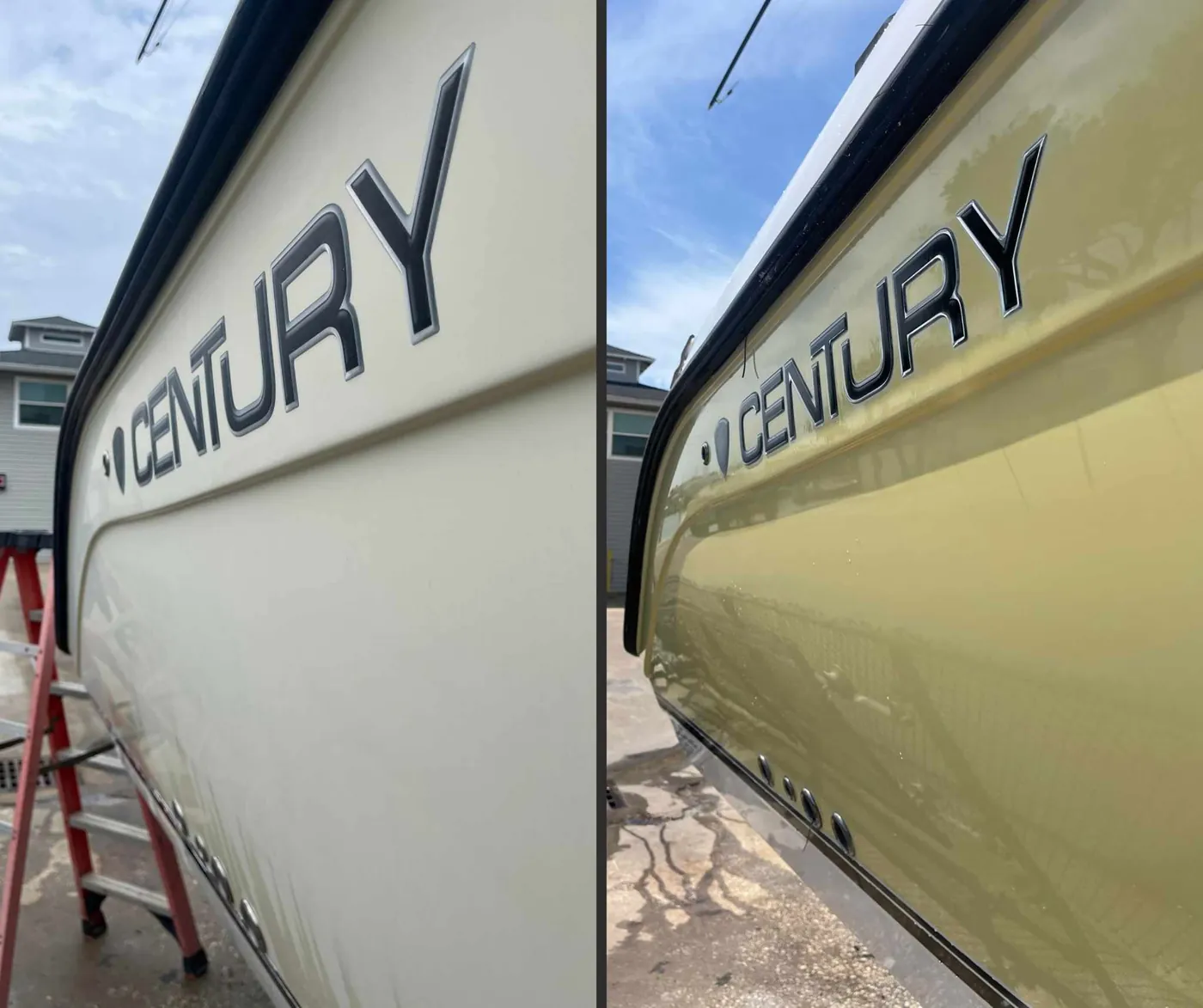
How to Prepare Your Boat for Hurricane Season in Tampa Bay
You need a plan before a storm forms. That is how to prepare your boat for hurricane season in Tampa Bay. Start weeks early, not days early.
This guide walks you through each step. It works whether you keep your boat in Tarpon Springs or anywhere on the Gulf coast.
When Does Hurricane Season Start in Tampa Bay?
Hurricane season runs from June 1 to November 30. Tampa Bay sits on the Gulf of Mexico. That makes it a target for tropical storms, high winds, and storm surge.
The busiest months are August through October. Even a small tropical storm can push water several feet above normal. Coastal towns in Pinellas County face extra risk from tidal flooding.
Step 1: Write a Hurricane Plan
Write down what you will do with your boat if a storm comes. Include where you will move it and who will help. A written plan saves you time when a storm is two days out.
Your plan should answer these questions:
- Will you pull the boat out or leave it in the water?
- Where is it safest: on a trailer, in dry storage, or at the dock?
- Do you have enough dock lines, bumpers, and chafe guards?
- Who can help if you are out of town?
Step 2: Check and Secure Your Boat
Look at your boat from front to back. Check every cleat, line, and fitting for wear. Replace anything that looks worn, rusty, or loose.
Take Off Loose Items
Remove everything that can blow away. Bimini tops, cushions, fishing rods, coolers, and electronics all need to come off. Wind can turn a loose cooler into a flying object that damages boats.
Add Extra Dock Lines
Use extra long dock lines to allow for rising water. Short lines may cause your boat to hang from its cleats. Add padding where lines touch the boat or dock to prevent rubbing.
Seal All Openings
Close every hatch, port, and window. Even a small gap lets rain fill your bilge fast. Make sure your bilge pump works and the battery is fully charged.
Ready for a showroom shine?
Free quote, mobile to your dock across Tampa Bay. Same-week booking.
Step 3: Protect the Outside Before Storm Season
A clean boat handles rough weather better than a dirty one. Salt, algae, and grime weaken your gelcoat over time. Storm surge pushes dirty water, sand, and junk against your hull.
According to Corey, owner of Sunrise Marine Detailing, “We see many boats after hurricane season with damage that could have been reduced. A hull that had oxidation removal and sealant before storm season always cleans up easier. The boats that were already chalky need much more work afterward.”
Getting a full detail before June gives your gelcoat a layer of protection. Our Oxidation Removal service removes oxidation, polishes the surface, and applies a marine sealant. That sealant helps block salt, water, and grime during storms.
Think About Ceramic Coating for Stronger Protection
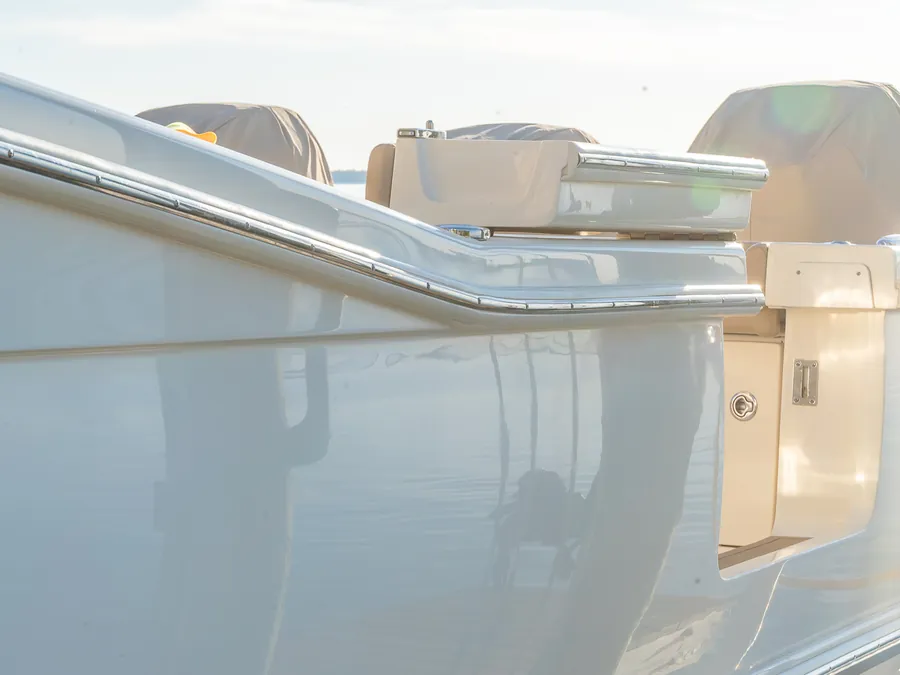
Want even more protection? A ceramic coating creates a tough shield on your gelcoat. It blocks UV rays, salt spray, and water.
Florida hits a UV index of 10 or higher in summer. That breaks down bare surfaces fast. Ceramic coatings make cleanup after a storm much easier too.
Mud, salt, and debris rinse right off a coated surface. They do not stick like they would on bare gelcoat. This really helps boat owners in Tarpon Springs and other Gulf towns where storm surge is common.
Step 4: Check Your Insurance and Take Photos
Read your boat insurance policy before hurricane season starts. Know what it covers and what it does not. Many policies require you to follow a storm plan. If you skip it, your claim could be denied.
Take photos and video of your boat from every angle. Show the hull, seats, electronics, and engine. Save these files in the cloud so you can reach them anywhere. Good records make filing a claim much smoother.
Step 5: Plan for Cleanup After the Storm
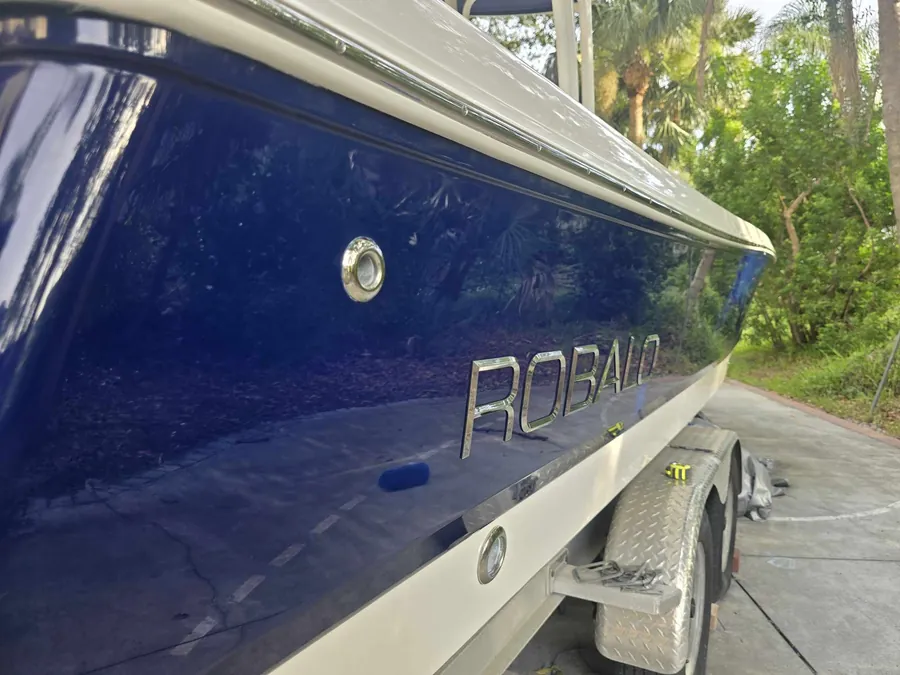
After a storm, check your boat as soon as it is safe. Look for water inside, damaged lines, and hull scratches. Rinse everything with fresh water to remove salt and debris.
If your boat sat in storm surge, a full deep boat cleaning removes harmful stuff that causes long-term damage. Salt left on vinyl, metal, and gelcoat will corrode and stain fast.
Hurricane Prep Checklist for Tampa Bay Boat Owners
| Task | When to Do It | Why It Matters |
|---|---|---|
| Write a hurricane plan | May (before season starts) | Saves time during a real storm threat |
| Detail and protect the hull | April or May | Sealant or coating guards gelcoat from storm damage |
| Check lines and hardware | May, then monthly | Weak lines break during high winds and surge |
| Remove loose items | When a storm watch is issued | Stops wind damage and lost gear |
| Take photos and video | Once per season, update after work | Helps with insurance claims |
| Rinse and inspect after the storm | Within 24 hours after the storm | Removes salt and catches damage early |
Frequently Asked Questions
How do I prepare my boat for hurricane season in Tampa Bay?
Start with a written plan. Then check your lines, remove loose items, and seal all openings. Protect your hull with a detail or coating. Take photos and know where you will move your boat if a storm comes.
If you can, yes. A boat on a trailer at a safe inland spot is usually better off. If you cannot haul it out, use extra long dock lines with chafe guards. Make sure your bilge pump works.
Does detailing my boat before hurricane season really help?
Yes, it does. A clean hull with sealant or ceramic coating fights damage from salt, debris, and UV rays. It also makes cleanup after the storm much faster. Grime does not stick as easily to a protected surface.
Check for damage as soon as it is safe. Rinse the whole boat with fresh water to remove salt and mud. Check for water inside the hull. If the boat was in storm surge, get a deep cleaning to stop corrosion and staining.
When is the worst part of hurricane season in Florida?
Mid-August through mid-October is the busiest time. But storms can form anytime from June 1 to November 30. Do not wait for a storm warning to start getting ready.
Want to protect your boat before hurricane season starts? Sunrise Marine Detailing comes to you. We serve Tarpon Springs, St. Petersburg, and the entire Tampa Bay area. From oxidation removal to ceramic coatings, we help your boat handle storm season in great shape. Contact us to set up your pre-season detail.