 Sunrise Marine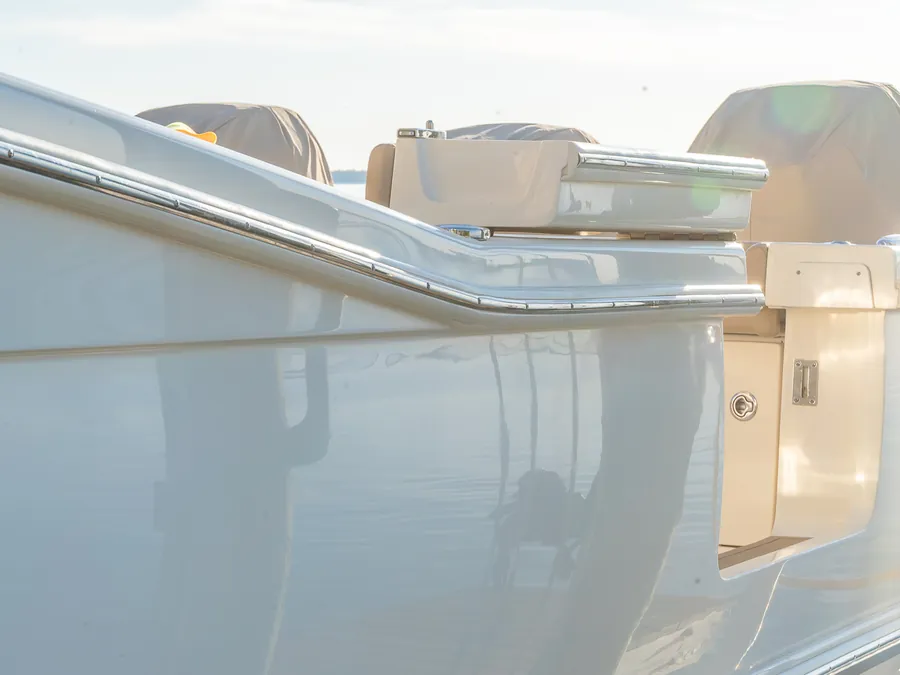
Boat ceramic coating typically lasts two to five years in saltwater conditions. The exact lifespan depends on how well the boat is maintained, how much UV exposure it gets, and how the surface was prepared before the coating was applied.
Tampa Bay boaters face some extra challenges. Year-round sun, high humidity, and constant salt exposure put coating under real stress. Understanding what shortens coating life helps you protect your investment longer.
What Is Ceramic Coating for Boats?
Ceramic coating is a liquid polymer that bonds to your boat's gel coat or painted surface. It forms a hard, semi-permanent layer that repels water, salt, UV rays, and contaminants. Think of it as a shield that sits on top of your hull.
Unlike wax, ceramic coating does not wash away easily. It lasts much longer and provides stronger protection. Learn more about our boat ceramic coating service and what the process involves.
Why Saltwater Is Harder on Coatings
Salt is corrosive. It pulls moisture into tiny surface imperfections and accelerates fading and oxidation. Even a coated hull picks up salt film after every trip on the water.
When salt sits on the surface for days, it starts to work against the coating's bond. This is why rinsing and washing matter so much in a saltwater environment like Tampa Bay.
Factors That Affect Ceramic Coating Lifespan
Surface Preparation
A ceramic coating is only as good as the surface beneath it. If the gel coat has heavy oxidation or swirl marks, the coating will not bond properly. That means it fails faster.
Oxidation should be removed before any coating goes on. Our oxidation removal service restores the surface so the coating has a clean, smooth base to grip.
UV Exposure
Florida sun is intense. Boats left uncovered in direct sunlight take more UV punishment than boats kept under a canopy or in covered storage. UV breaks down the coating layer over time.
Using a boat cover when docked helps your coating last longer. It is a simple habit with a big payoff.
How Often You Wash the Boat
This is the biggest factor most boat owners overlook. Salt, algae, and grime build up on the coating and weaken it from the outside. Regular washing removes those threats before they do damage.
Scheduled recurring maintenance washes keep the coating clean and performing at its best. Skipping washes is the fastest way to shorten a coating's life.
Water Conditions and Usage
A boat used daily takes more wear than one used on weekends. Wakes, prop wash, and constant water contact all stress the coating over time. Heavy users may need to recoat closer to the two-year mark.
Application Quality
A coating applied in the right conditions by an experienced crew bonds better and lasts longer. Temperature, humidity, and surface cleanliness all affect how well the product cures.
Signs Your Coating Is Starting to Fail
Watch for these warning signs that your ceramic coating is wearing out:
- Water no longer beads tightly on the surface
- The hull looks dull or hazy after washing
- Salt and grime stick more easily than before
- Light oxidation starts to show on the gel coat
Catching these signs early lets you recoat before serious damage sets in. Waiting too long means more prep work and a higher chance of needing full oxidation correction first.
Ready for a showroom shine?
Free quote, mobile to your dock across Tampa Bay. Same-week booking.
How to Make Your Ceramic Coating Last Longer
A few good habits go a long way:
- Rinse with fresh water after every saltwater trip. This removes salt before it can sit and corrode.
- Schedule regular maintenance washes. Professionals use pH-neutral products that clean without stripping the coating.
- Keep the boat covered when not in use. UV protection matters in Florida year-round.
- Avoid harsh soaps and pressure washing the coated surface directly. Both can degrade the coating faster.
- Inspect the hull regularly. Catching small problems early prevents bigger repairs later.
When Should You Recoat?
Most coatings benefit from a refresh or full recoat somewhere between two and five years. Do not wait until the coating is completely gone. Recoating over a surface that still has some protection is easier and less expensive.
If you see early failure signs, get a professional assessment. Sometimes a maintenance wash and inspection are all you need to decide whether it is time. Boaters across Pinellas County can check out our Tampa boat detailing location page to learn more about service in their area.
What About Boats with Existing Oxidation?
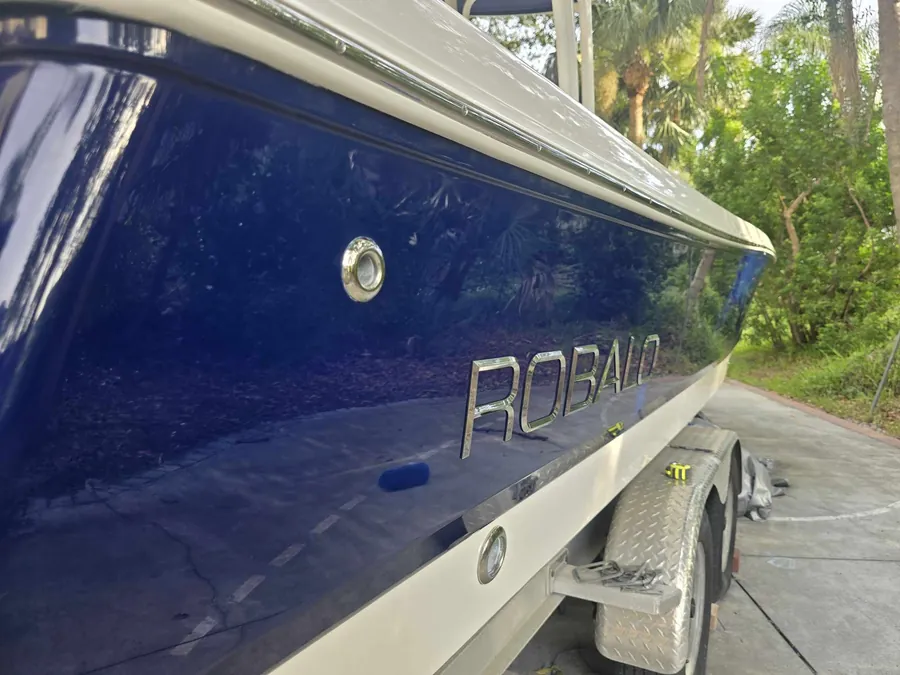
Heavy oxidation must be corrected before a new coating goes on. Skipping this step means the coating bonds to a weak, chalky surface. It will peel or fail much sooner than expected.
Oxidation removal followed by ceramic coating is a common combination service. The two steps together give you a protected hull that looks great and holds up in saltwater conditions.
Serving Tampa Bay Boaters Year-Round
If you boat in or around Tampa Bay, St. Pete, Dunedin, or Tarpon Springs, salt exposure is a fact of life. The Sunrise Marine Detailing crew comes to your dock or slip, so there is no need to haul your boat anywhere. We serve boaters throughout Pinellas County, including Dunedin and Tarpon Springs. Ready to talk about protecting your hull? Contact us for a quote based on your boat's size and condition.
FAQ
How long does ceramic coating last on a saltwater boat?
Most marine ceramic coatings last between two and five years in saltwater environments. Lifespan varies based on UV exposure, how often the boat is washed, and how well the surface was prepared before application.
Does saltwater damage ceramic coating faster than fresh water?
Yes. Salt is corrosive and pulls moisture into tiny surface imperfections. Salt film left on a coated hull accelerates wear on the coating layer over time. Regular rinsing and washing after saltwater use helps slow this process significantly.
Can ceramic coating be applied over oxidation?
No. Oxidation must be removed first. Applying coating over a chalky or oxidized surface leads to poor bonding and early failure. Oxidation removal is a necessary first step before any ceramic coating is applied.
How do I maintain a ceramic-coated boat hull?
Rinse with fresh water after every saltwater trip. Schedule regular maintenance washes using pH-neutral products. Avoid harsh soaps, abrasive tools, and direct high-pressure washing on coated surfaces. Keep the boat covered from direct sun when not in use.
Is ceramic coating worth it for a boat in Tampa Bay?
For most Tampa Bay boaters, yes. Year-round sun, high humidity, and constant salt exposure can fade and oxidize a hull quickly. Ceramic coating reduces how often you need major corrective work. Combined with regular upkeep, it helps keep the hull looking good and easier to clean between uses.