 Sunrise Marine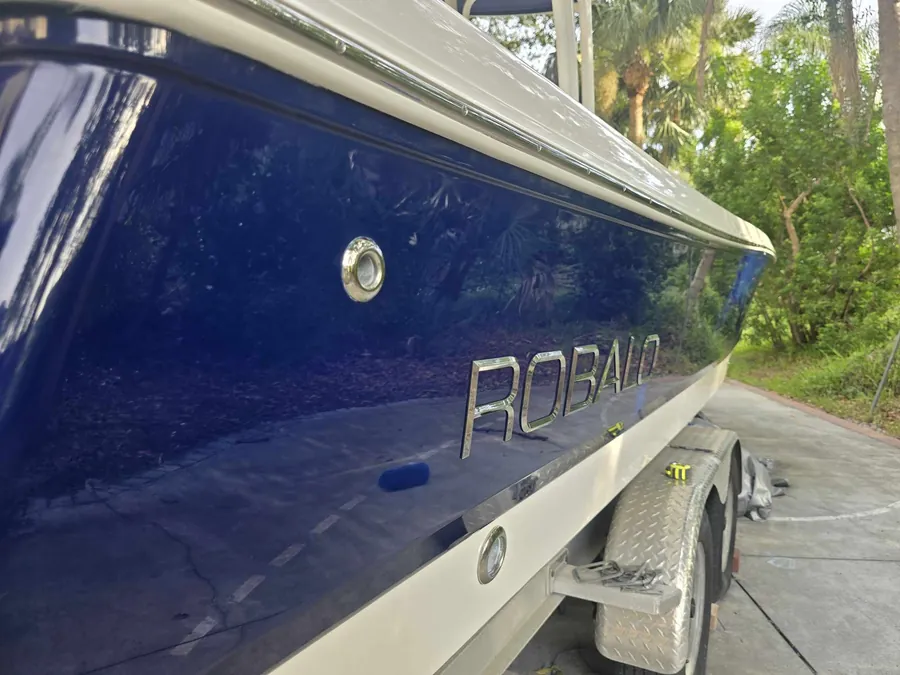
If you're searching for boat hull cleaning in Safety Harbor, you already know what Florida's waterways do to a hull over time. The combination of saltwater intrusion from Old Tampa Bay, intense UV exposure, and the kind of humid, warm conditions that algae and marine growth absolutely love means that even a well-maintained boat can start looking rough within a few months of regular use. Safety Harbor sits in a unique spot along the western shore of the bay, where tidal movement, seagrass flats, and nutrient-rich shallows create the perfect environment for waterline scum, barnacle film, and oxidized gel coat to take hold fast. Whether your boat lives on a lift at Safety Harbor Marina, floats at a private dock along the Old Tampa Bay shoreline, or gets trailered in and out from a nearby launch, the hull takes a beating. At Sunrise Marine Detailing LLC, we specialize in bringing those hulls back to clean, protected condition. Keep reading to learn exactly what we do and how to schedule your appointment. For the full picture of how this fits with our recurring Captain's Wash maintenance program, or to see how we handle a nearby spot like Safety Harbor, keep reading.
Why Safety Harbor Boats Need Boat Hull Cleaning
Safety Harbor has a character that sets it apart from other Tampa Bay communities. It's a quieter, more residential stretch of waterfront compared to the busy commercial marinas you'll find further south, but the water conditions here are just as demanding on your hull, and in some ways more so. Old Tampa Bay is a shallow, semi-enclosed body of water. That shallowness means the water warms up faster in the summer, and warmer water accelerates biological growth like you wouldn't believe. Algae, cyanobacteria, and biofilm colonize a hull surface within days during peak summer months, and once that initial layer forms, everything else stacks on top of it quickly. The tidal action in this part of the bay also means that boats sitting at fixed docks spend time at varying waterline levels throughout the day, which creates that classic dark, crusty band of scum right at the waterline. That band isn't just ugly. It's actively working to etch into gel coat and paint if it's left alone for too long.
The salt content in Old Tampa Bay is another factor that Safety Harbor boat owners deal with constantly. While the bay is less saline than the open Gulf, it's still a brackish to full-saltwater environment depending on rainfall and seasonal conditions. Salt deposits on the hull above the waterline act like a slow sandblast. They pull moisture out of gel coat, leave white mineral haze behind, and give the hull that chalky, faded look that makes a perfectly functional boat look like it's been abandoned for years. Boats docked near the Safety Harbor Pier area or along the park-side shoreline near Philippe Park are also exposed to significant afternoon chop from passing vessels and wind-driven spray, which coats the topsides with a fine salt mist regularly. If that isn't rinsed and cleaned frequently, it builds up in layers and becomes increasingly difficult to remove. The non-skid deck areas and hull sides end up looking almost gray instead of white or their original color. Regular boat hull cleaning breaks that cycle before it becomes a restoration project instead of a maintenance task.
It also matters what kind of boat you're keeping here. Safety Harbor attracts a mix of boat types. You'll find center console fishing rigs in the 20 to 28 foot range that run the flats and bayous regularly. You'll see older fiberglass cruisers and express boats in the 30 to 40 foot range that live on fixed docks and rarely move far from home base. There are pontoon boats, deck boats, and bay boats of all sizes that get used hard on weekends and then sit in the water or on lifts during the week. Each of these platforms has different hull geometry, different gel coat or paint finishes, and different exposure patterns, but they all share the same problem: Florida's environment is relentless. The UV index in this part of Pinellas County is extreme for most of the year. Combine that with heat, humidity, salt, and biological growth, and even a boat that was detailed six months ago can look neglected. Staying on top of hull cleaning on a regular schedule is one of the best investments a Safety Harbor boat owner can make, both for appearance and for protecting the underlying material from long-term damage.
What's Included in Our Boat Hull Cleaning Service
- Waterline scum strip and decontamination: That dark, greasy band running along the waterline is one of the first things people notice, and it's one of the most stubborn things to remove. We use a targeted marine-grade decontamination solution formulated specifically for biological and mineral buildup at the waterline. It breaks down the biofilm, algae residue, and oxidized salt deposits at a chemical level before we ever touch a brush to the hull, which means we're lifting the contamination out rather than grinding it in deeper with aggressive scrubbing.
- Full hull wash with pH-balanced marine soap: Once the decontamination stage is complete, we follow up with a thorough wash of the entire hull surface using a pH-balanced marine soap that cleans effectively without stripping existing wax protection or accelerating gel coat oxidation. This step removes loose dirt, road grime from trailering, fuel residue around the stern area, and the general surface contamination that accumulates on any boat that spends time in Florida waters. We work top to bottom, bow to stern, making sure every panel gets attention.
- Salt residue neutralization and rinse: Salt doesn't just sit on top of the hull surface. It works its way into micro-pores in the gel coat and into any gaps around fittings, trim pieces, and hardware. We treat the hull with a salt-neutralizing rinse that lifts mineral deposits out of those pores and prevents the white haze and streaking that makes a boat look perpetually grimy even right after a regular wash. This step is especially important for boats on fixed docks in Old Tampa Bay, where salt exposure is constant and cumulative.
- Marine growth and slime removal from hull sides: Boats that sit in the water on lifts or floating docks often develop slime and soft marine growth on the hull sides just above the bottom paint line. This isn't the same as the hard growth that bottom paint handles below the waterline, but it's still biologically active and it stains gel coat if it's allowed to sit. We remove this growth carefully to avoid damaging the paint or gel coat beneath it, using appropriate tools and solutions matched to the severity of the growth and the type of finish.
- Non-skid deck surface cleaning (deck-side of hull and cap rail area): The cap rail, rub rail, and the non-skid surfaces just inside the gunwale are often neglected in a standard hose-down because they trap salt, fish blood, sunscreen residue, and biological matter in their textured surfaces. We clean these areas thoroughly as part of the hull service because they're directly connected to the hull's overall condition and appearance. Dirty non-skid also becomes slippery non-skid, which is a safety concern on any boat.
- Transom and outboard motor well cleaning: The transom area takes the most abuse on most boats. Exhaust residue, fuel staining, water intrusion marks, and motor oil streaking accumulate here faster than anywhere else on the hull exterior. We give the transom dedicated attention during every hull cleaning service, targeting those specific contaminants with appropriate treatments so the stern looks as clean as the bow when we're done. This also helps us spot any early signs of gelcoat crazing or stress cracking that a boat owner should know about.
- Post-clean inspection and bottom paint condition report: At the end of every hull cleaning job, we do a visual inspection and give the boat owner a straightforward report on what we observed during the cleaning process. If we see areas where bottom paint is wearing thin, if there are spots on the hull where gel coat looks like it needs attention, or if there's any hardware that looks like it's working loose, we'll tell you. We're not upselling at this point, just giving you the information so you can make decisions about what comes next for your boat.
While we are at it, ask about our oxidation removal, a lot of Safety Harbor customers pair this with their detail to extend the results.
Our Process for Safety Harbor Boats
Step 1: Initial Assessment and Free Quote
Every job starts with a conversation. We ask about your boat's size, the type of hull material and finish it has, where it's currently stored (dock, lift, trailer, or dry stack), and when you last had a thorough hull cleaning done. This isn't just paperwork. It genuinely changes how we approach the job. A 24-foot center console that gets trailered to the boat ramp at Philippe Park every weekend has different buildup patterns than a 38-foot cruiser that hasn't left its slip at Safety Harbor Marina in two months. Knowing the context helps us bring the right products and set the right expectations before we even arrive. We provide free quotes after that initial conversation, and we'll tell you honestly if the boat needs more than a standard cleaning or if there are add-on services like oxidation correction that would make a meaningful difference in the results.
Step 2: On-Site Preparation and Setup
When we arrive at your location, whether that's a private dock on the Old Tampa Bay shoreline, a slip at Safety Harbor Marina, or a residential driveway where you have the boat on a trailer, we set up efficiently and work to minimize disruption to you and your neighbors. We bring our own equipment and connect to the water and power at your dock, such as a dockside hose and a power outlet, and we use reclaim systems where required by local regulations to prevent contaminated wash water from entering the waterway. Before we touch the hull, we do a hands-on walk-around to look for anything that wasn't visible in photos or that might have changed since the initial quote, such as a fresh paint job that needs extra care or a soft spot in the gel coat that requires a lighter touch in that area.
Step 3: Multi-Stage Cleaning Treatment
The actual cleaning happens in stages, not all at once. We don't just spray and wipe. We apply each product in the correct sequence, give it appropriate dwell time to work at the chemical level, and then remove it in the right order so that the stages build on each other. Decontamination comes first, then the full wash, then targeted treatments for specific problem areas like the waterline band or transom staining, then the salt neutralization rinse, and finally the inspection pass. Rushing any of these stages produces mediocre results, and mediocre results aren't why boat owners in Safety Harbor call us. We take the time to do it right on every single job, regardless of boat size.
Step 4: Quality Check and Owner Walkthrough
Before we pack up, we do our own quality check on the work. We're looking at the hull from multiple angles, checking that the waterline is clean and consistent from bow to stern, confirming that the transom looks sharp, and making sure there aren't any missed spots or streaking from the cleaning products. After our own check, we invite the boat owner to do a walkthrough with us. We want you to see the results in person and ask any questions you have. If something doesn't meet your expectations, we address it before we leave. We also take a moment to talk through what the boat's next maintenance needs are likely to look like based on what we observed during the cleaning, so you have a clear picture of where things stand going forward.
Boats and Marinas We Service Around Safety Harbor
Safety Harbor and the surrounding stretch of Old Tampa Bay waterfront is home to a diverse mix of recreational boaters, anglers, and cruising enthusiasts. We work across the full range of boat types and storage situations in this area, and we're familiar with the specific conditions at each of the locations listed below. Whether you're a weekend angler keeping a bay boat on a lift behind your house or a cruiser owner with a full slip at one of the local marinas, we come to you and handle the work where your boat lives. Here's a breakdown of the specific locations and boat types we regularly work with in and around Safety Harbor:
- Safety Harbor Marina: The main marina facility in town, where a mix of sailboats, powerboats, and live-aboard vessels are kept. Boats here sit in tidal water full-time, which means consistent waterline scum buildup and regular exposure to the biological growth that comes with permanent wet storage. We service slips here regularly and are familiar with the dock layout and access requirements.
- Private docks along the Old Tampa Bay shoreline: Many Safety Harbor homes have private docks extending over the shallow bay flats. Boats kept here are often on lifts, which means the hull gets air exposure between uses, but the lift cradle area and the lower hull near the waterline still accumulate growth, salt, and staining. We navigate narrow residential dock setups routinely.
- Philippe Park boat launch area: Boaters who trailer their vessels often use the nearby launch areas around Philippe Park, which puts them on the water quickly but also means the hull is exposed to bay conditions every time it goes in. Trailer boats sometimes go longer between cleanings because owners assume the rinse-off after each trip is sufficient. It isn't, especially in summer.
- Safety Harbor Pier and adjacent waterfront: The pier area is a focal point of the Safety Harbor waterfront, and boats anchored or docked in this vicinity are exposed to foot traffic, urban runoff, and the kind of water conditions that come with a busier shoreline. Fuel residue and debris buildup are more common here than at more isolated dock locations.
- Center console fishing boats (18-28 feet): By far the most common boat type we see in this area. These boats work hard in Tampa Bay's shallows and backcountry areas, and the hulls show it. Mud, fish slime, blood, and constant salt exposure are the norm. Regular hull cleaning keeps them looking professional and prevents long-term staining.
- Pontoon and deck boats: Popular with families on the calmer, shallower areas of Old Tampa Bay. The wide, flat hull geometry of these boats gives algae and slime a lot of surface area to colonize, and the aluminum pontoon tubes (where applicable) need specific treatment to stay clean and corrosion-resistant.
Ready for a showroom shine?
Free quote, mobile to your dock across Tampa Bay. Same-week booking.
How Long Boat Hull Cleaning Takes in Safety Harbor
One of the most common questions we get from boat owners is how long the job will take. The honest answer is that it depends on the size of the boat, the condition of the hull, and whether any additional services are being done at the same time. But we can give you realistic ranges based on the work we do regularly in the Safety Harbor area.
For boats under 25 feet, including the popular bay boats, center consoles, and smaller pontoons that are common throughout Safety Harbor's residential dock community, a thorough hull cleaning typically takes between two and three hours from arrival to completion. That includes setup, all cleaning stages, and the final walkthrough. Most of these jobs are completed in a single morning or afternoon session, and the boat is ready to use again the same day once any cleaning product residue has had time to fully rinse and dry.
For boats in the 25 to 35 foot range, including express cruisers, larger center consoles, and mid-size sailboats that are common at Safety Harbor Marina and along the Old Tampa Bay waterfront docks, plan on three to five hours. The additional hull surface area adds time to every stage of the cleaning process, and larger boats typically have more complex geometry with more angles and recesses where buildup concentrates. Transoms on larger powerboats in this size range are often significantly dirtier than smaller vessels due to higher horsepower engines producing more exhaust residue.
For boats over 35 feet, including full-size cruisers, sportfishers, and the occasional sailboat kept in the area, the hull cleaning service typically runs five to seven hours or may be scheduled across two visits depending on the scope of work and the condition of the hull. Boats in this category that have been sitting without regular cleaning for an extended period may require additional stages or specialized treatments that extend the timeline further.
For most small to medium boats in the Safety Harbor area (the under 35 foot category that makes up the vast majority of what we see here), same-day turnaround is the standard. You drop the boat on the lift in the morning or we arrive at your dock at a scheduled time, and by early afternoon the work is done and the boat looks the way it should. We work around your schedule and your boat's usage calendar, so if you need it done before a weekend trip out to the bay, we plan accordingly.
Before and After: What to Expect
The transformation from a neglected hull to a freshly cleaned one is one of the most satisfying things in marine detailing, and Safety Harbor boats have a lot of opportunity for dramatic results because of the environment they live in. Here's a realistic picture of what you can expect to see before, during, and after a professional hull cleaning service.
Before the cleaning, most boats we see in this area show a consistent set of symptoms. There's a brown or black waterline band that runs the full length of the boat, often with a distinct crusty texture from mineral deposits mixed with biological growth. The topsides have a white or gray haze from oxidized salt and UV damage to the gel coat. The transom typically has dark exhaust streaking, water intrusion marks running down from the motor well, and possibly some fuel staining near the lower unit. Non-skid surfaces look dingy and gray rather than their original white or off-white color. On boats with any striping or painted accents, the colors look dull and washed out. Fiberglass that was once a deep, glossy white or cream looks chalky and flat under sunlight. The overall impression is of a boat that has been working hard in tough conditions, which is accurate, but it doesn't have to look that way.
During the cleaning, particularly the decontamination and waterline treatment stages, you can literally watch years of buildup lift off the hull surface. The reaction between the decontamination solution and the biological growth at the waterline is visible. What looked like a permanent stain starts breaking down and releasing from the gel coat within minutes of application. This is why proper product selection and dwell time matter so much. Products that don't have the right chemistry for Florida's specific mix of salt, UV exposure, and tropical biological growth don't produce the same results, regardless of how hard the applicator works mechanically.
After the cleaning is complete and the hull has had time to dry, the difference is significant. The waterline band is gone or reduced to a faint ghost that indicates where gel coat may need more attention in the future. The topsides show their actual color again, which on most Florida boats is notably brighter and cleaner than what was visible under the salt haze. Non-skid surfaces look white or their original color and have recovered their texture. The transom is clean and the graphics or boat name are legible and sharp again. Gel coat that appeared oxidized and chalky often shows a degree of underlying gloss returning once the surface contamination is removed. For boats that have been well-maintained overall, the results can look close to showroom condition. For boats that have been neglected for longer periods, the hull cleaning is the necessary foundation that makes further polish and protection work effective and worthwhile.
What Safety Harbor Boat Owners Ask
How do I schedule a boat hull cleaning in Safety Harbor?
Scheduling is straightforward. You can reach us by phone, text, or through the contact form on this page. We prefer to start with a quick conversation so we can ask a few questions about your boat and current condition before we confirm the appointment. Most bookings can be confirmed within 24 hours of initial contact, and we work throughout the week including weekends for boat owners who can't be present during weekday hours. When you reach out, have a rough idea of your boat's length, where it's currently stored (dock, lift, or trailer), and your preferred date range. That's all we need to get the scheduling process moving.
Do you clean all boat types, or just fiberglass powerboats?
We work on fiberglass, aluminum, painted wood, and composite hull materials. In the Safety Harbor area, the majority of what we see is fiberglass gel coat, but we also regularly service aluminum pontoon boats, painted aluminum bay boats, and the occasional older wooden-hulled vessel. Each material has different cleaning requirements and different sensitivities to products and techniques. We match our approach to the specific hull material and finish on your boat, which is one of the reasons we ask those initial questions before showing up. If you have a specialized hull material or finish you're concerned about, mention it when you call and we can discuss it specifically.
How often should I get boat hull cleaning in Safety Harbor?
For boats that stay in the water at Safety Harbor Marina or on private docks along Old Tampa Bay, we generally recommend a thorough hull cleaning every two to three months during the warmer season, which in Florida is essentially March through November. During peak summer months, July through September, biological growth accelerates dramatically due to water temperature, and some boat owners in very exposed locations choose monthly maintenance cleanings to stay ahead of it. Boats on lifts that are kept out of the water between uses can often stretch to quarterly cleanings, but they still need regular attention because the hull is exposed to UV and salt spray even when it's not submerged. Your specific boat and storage situation will determine the right frequency, and we can help you figure that out based on what we see on the first cleaning.
How does your pricing work and do you provide quotes?
We provide free quotes after a quick conversation about your boat's size, condition, and what you're looking to accomplish with the service. We don't publish flat-rate pricing online because the actual scope of work varies significantly from boat to boat. A 22-foot center console that gets cleaned every two months is a very different job than a 35-foot cruiser that hasn't been touched in a year, even though both are "hull cleaning" services. The free quote process takes just a few minutes and gives you a clear, straightforward number before we schedule anything. There are no surprise charges added after the job. What we quote is what you pay, based on the scope of work we discussed upfront.
Do you work at private docks, or only at marinas?
We work wherever your boat is, including private residential docks, backyard boat lifts, marina slips, dry stack facilities, and trailered boats in driveways or at boat ramps. A significant portion of our Safety Harbor work is at private docks along the Old Tampa Bay shoreline, where homeowners keep their boats on lifts behind their properties. We're accustomed to navigating those environments, working with limited space, and being respectful of private property. If you have access constraints at your dock (low overhead clearance, narrow access, specific tide windows that affect when the boat is on or off the lift), let us know when we talk and we'll plan the visit accordingly.
Service Areas Nearby
While we're proud to specialize in boat hull cleaning in Safety Harbor and understand the specific water conditions and storage situations in this community, we also serve boat owners across a wide stretch of Pinellas County and the greater Tampa Bay area. If you're keeping your boat nearby but not quite in Safety Harbor, there's a good chance we already service your waterway or marina.
We also serve nearby areas, see Pass a-Grille or Palmetto for the same boat hull cleaning work.
We regularly detail boats kept in Clearwater and Clearwater Harbor, where the boating community is large and diverse and where the water conditions share many of the same characteristics as Old Tampa Bay in terms of salt exposure and biological growth. We also work throughout Dunedin and along the beautiful stretch of waterfront that runs north from Safety Harbor toward Honeymoon Island. Dunedin's marina and the surrounding private docks are familiar territory for us, and the boats kept there face the same Gulf-influenced conditions that our Safety Harbor clients deal with.
To the south, we service boats in Oldsmar and across the upper reaches of Tampa Bay, where the mix of bay and tidal creek environments creates unique hull cleaning challenges that we're well-equipped to handle. We also work in Tarpon Springs to the north, where the large Greek-heritage fishing fleet and recreational boating community keep us busy with everything from fiberglass bay boats to wooden vessels with traditional finishes.
Within Tampa itself, we service boats at the major marina facilities and at private residences along the Hillsborough Bay waterfront. Palm Harbor and the surrounding communities along the Gulf coast of Pinellas County are also part of our regular service area. If you're in any of these communities and you've been looking for a detailing team that understands the specific demands of Tampa Bay boating, we're ready to help. Reach out and we'll talk through what your boat needs.
Get a Free Quote
Ready to get your hull looking the way it should? Sunrise Marine Detailing LLC serves Safety Harbor and the surrounding Old Tampa Bay waterfront, including private docks, Safety Harbor Marina, and the waterways running from Philippe Park north through the upper bay communities. Reaching us is easy. Text or call us directly for the fastest response, or fill out the contact form below and we'll get back to you promptly. Tell us your boat's size and where it's stored, and we'll put together a free, straightforward quote with no obligation. Clean hull, clean conscience, and a boat that looks ready for the water. Let's get it scheduled. Call (727) 297-8866 schedule a free quote, or see what other Safety Harbor owners say.