 Sunrise Marine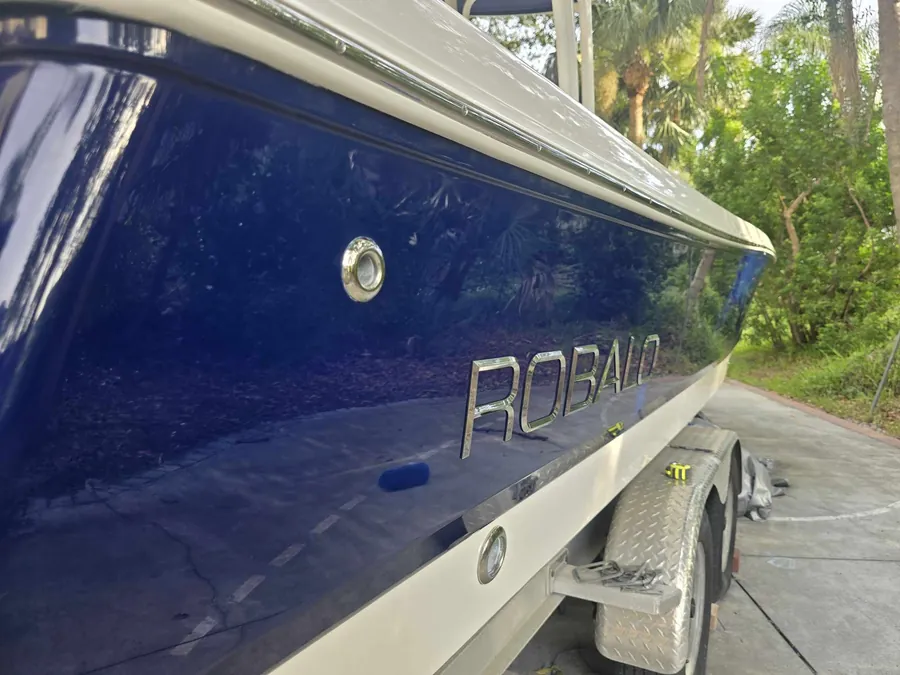
Tampa Bay salt water and intense Florida sun are a tough combination for any boat. Together, they break down gel coat, fade upholstery, and cause corrosion faster than in cooler climates. The good news is that a simple, consistent routine keeps your boat protected year-round.
Why Tampa Bay Is Hard on Boats
Florida gets roughly 360 days of strong UV exposure every year. That sunlight breaks down the protective layer on your hull and fades everything it touches. Salt water speeds up the process by leaving mineral deposits on every surface after the water dries.
The bay also has brackish water in some areas, which can be even more corrosive. Metal fittings, aluminum trim, and unprotected gel coat all suffer. Ignoring these two forces leads to costly repairs down the road.
What Is Gel Coat Oxidation?
Gel coat oxidation is the chalky, dull film that forms on a fiberglass hull when UV rays break down the resin over time. The surface loses its shine and turns white or yellowish. Left untreated, oxidation eats deeper into the fiberglass and becomes harder to reverse.
You can spot early oxidation by rubbing a white cloth across the hull. If color transfers, oxidation has started. Catching it early makes removal much easier and less expensive.
Professional oxidation removal uses compounds and polish to cut through that dead layer and restore the original shine. It is one of the most important services for any boat kept in Tampa Bay.
Step-by-Step Protection Plan
1. Rinse After Every Trip
Fresh water is the simplest defense against salt damage. Rinse the hull, deck, engine, and any metal hardware after each outing. Salt crystals left to dry pull moisture from surfaces and begin corrosion quickly.
Pay close attention to corners, hinges, and vents. Salt hides in tight spots. A short rinse after every trip saves you significant work later.
2. Wax the Hull Regularly
Marine wax creates a barrier between your gel coat and the environment. It blocks UV rays and causes salt water to bead up and roll off instead of sticking. Most boats in this climate benefit from a fresh coat every three to four months.
A buff and wax full detail from a professional ensures even coverage and removes light surface contaminants before they bond. It also gives you a chance to catch small problems early.
3. Keep the Interior Clean and Protected
Salt spray does not stay on the outside. It drifts into the cockpit, onto upholstery, and into carpet. Vinyl seating cracks and fades when salt and UV work on it together.
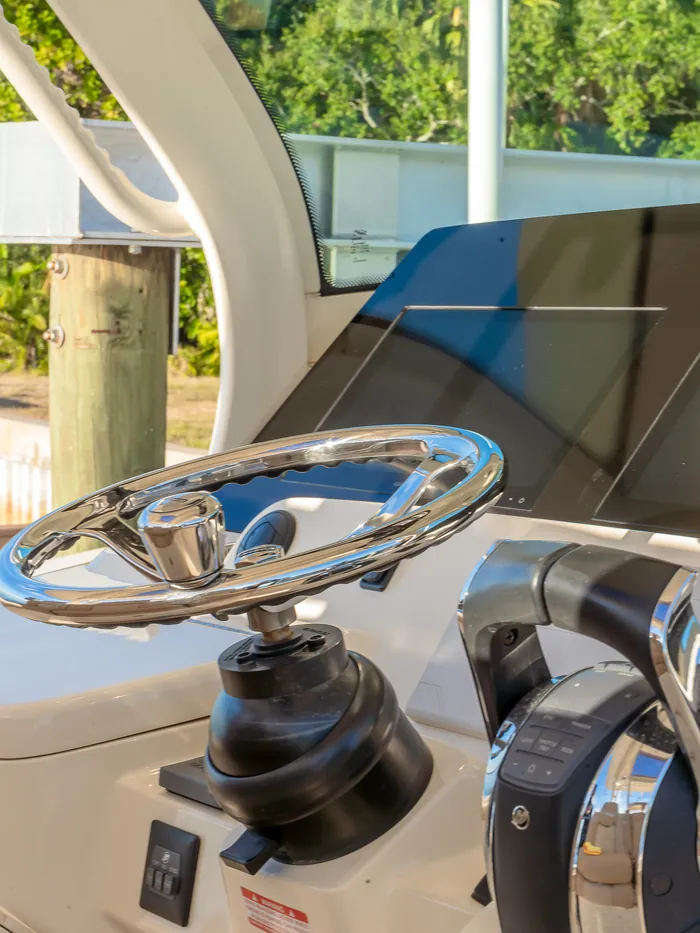
A thorough deep boat cleaning removes embedded salt, mildew, and grime from every surface inside the boat. Treating vinyl with a UV protectant afterward keeps it soft and resistant to cracking.
4. Consider Ceramic Coating for Long-Term Defense
What is ceramic coating? Ceramic coating is a liquid polymer applied to the hull that bonds to the surface and forms a hard, protective layer. It repels salt, UV rays, bird droppings, and algae much longer than traditional wax.
A properly applied ceramic coating can last significantly longer than wax and makes routine cleaning much easier. The boat stays cleaner between washes because contaminants cannot grip the surface. It is a smart investment for boats that spend a lot of time on the water.
5. Schedule Recurring Maintenance Washes
Consistent cleaning stops salt from bonding to surfaces permanently. A quick wash every few weeks removes buildup before it becomes a bigger problem. Skipping washes lets grime and salt work deeper into porous surfaces.
Recurring maintenance washes take the guesswork out of the schedule. A mobile crew comes to your slip and handles it on a regular cycle. Your boat stays protected without you having to remember each time.
Ready for a showroom shine?
Free quote, mobile to your dock across Tampa Bay. Same-week booking.
Use Covers and Shade When Possible
UV damage happens even when your boat is docked. A good canvas cover or a boat canopy blocks the sun when you are not on the water. This simple step slows fading on upholstery, dashboards, and unprotected surfaces.
If you keep your boat at a covered slip, you are already ahead. Open slips in Tampa Bay get intense afternoon sun, especially from spring through fall.
Do Not Forget Metal and Hardware
Stainless steel, aluminum, and chrome all corrode in salt air. Wipe down hardware after rinsing and apply a light coat of protective spray on metal surfaces. Check anodes on outboards and stern drives regularly. Anodes sacrifice themselves to protect metal from electrolysis, and they need replacement before they wear away completely.
Ready to Protect Your Boat?
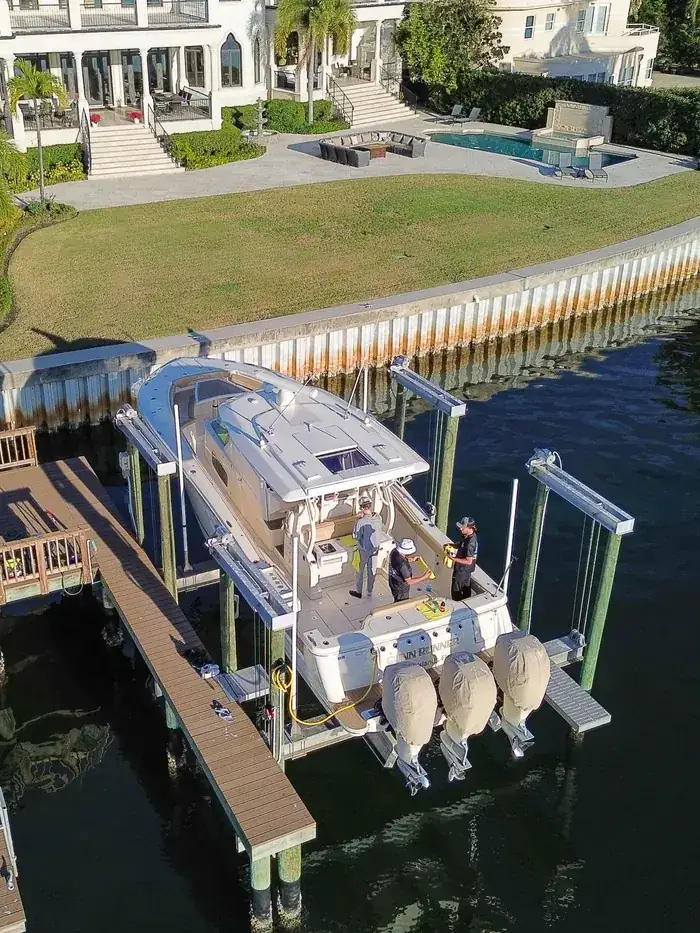
Sunrise Marine Detailing serves the entire Tampa Bay area from a mobile setup, so the crew comes directly to your dock or slip. Whether your boat needs a one-time detail or regular upkeep, the team covers Pinellas County and the surrounding coastal communities. If you are in Tampa, Treasure Island, Dunedin, Tarpon Springs, Gulfport, Largo, or Palm Harbor, help is nearby. Contact us today to talk through what your boat needs and get a quote based on its size and condition.
FAQ
How often should I wax my boat in Tampa Bay?
Most boats in the Tampa Bay area benefit from waxing every three to four months. The strong UV exposure and constant salt air break down wax faster here than in cooler climates. A professional detail helps you stay on the right schedule.
Can I remove oxidation myself or do I need a professional?
Light oxidation can sometimes be improved with store-bought compounds. However, moderate to heavy oxidation usually needs professional equipment and products to fully restore the surface. Attempting heavy oxidation removal without the right tools can leave swirl marks or uneven results.
How long does ceramic coating last on a boat in Florida?
Ceramic coating durability varies based on the product, application quality, and how often the boat is used. In Florida's harsh conditions, a properly applied coating generally outlasts traditional wax by a wide margin. Regular maintenance washes help it perform at its best for as long as possible.
What damage does salt water do to a boat hull?
Salt water leaves mineral deposits on gel coat that etch into the surface over time. It also accelerates corrosion on metal fittings and hardware. Consistent rinsing and waxing are the primary defenses against this type of damage.
Is a mobile detailing service as thorough as a marina detail shop?
A mobile crew brings professional-grade equipment, products, and trained technicians directly to your slip. The convenience does not come at the cost of quality. Working at your dock also means the boat does not need to be trailered or moved, which saves time and reduces hassle.