 Sunrise Marine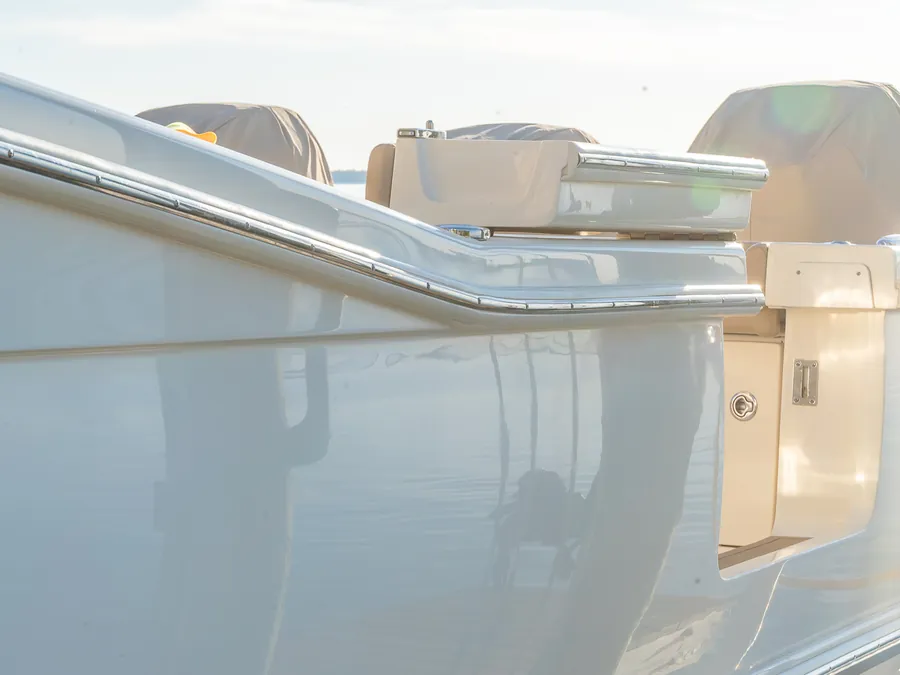
If you're searching for boat ceramic coating in Pass-a-Grille, you already know what this stretch of Florida coastline does to a boat's finish. The combination of intense Gulf sun, high-salinity water pushing through Pass-a-Grille Channel, and the daily grind of saltwater spray builds up fast on gel coat, brightwork, and hull surfaces. Boats kept near Merry Pier or docked along the 8th Avenue marina area face some of the harshest marine conditions in all of Pinellas County. UV oxidation sets in quickly here, especially from May through September when the sun angle is steep and the days are long. A quality marine-grade ceramic coating is one of the smartest investments you can make to protect your hull and keep your boat looking sharp season after season. Reach out to Sunrise Marine Detailing LLC today to get a free quote and find out what ceramic coating can do for your specific boat. For the full picture of how this fits with our marine ceramic coating, or to see how we handle a nearby spot like Pass a-Grille, keep reading.
Why Pass-a-Grille Boats Need Boat Ceramic Coating
Pass-a-Grille sits at the southern tip of St. Pete Beach, right where Tampa Bay opens up into the Gulf of Mexico. That geography matters a lot for boat owners. You're not dealing with the calmer, more sheltered waters you'd find up in Old Tampa Bay or even parts of Boca Ciega Bay. Out here, boats are exposed to open Gulf swells, direct offshore wind, and saltwater that carries a higher concentration of dissolved minerals than you'd typically find in more interior bay locations. Every time a boat crosses through Pass-a-Grille Channel or heads out past Bunces Pass toward the Gulf, it gets hit with salt mist from the bow all the way back to the transom. That salt doesn't just rinse off with the next rain. It bonds to the gel coat, creeps into pores, and begins the slow process of oxidation that eventually turns a once-glossy hull dull, chalky, and rough to the touch.
The dock situation around Pass-a-Grille adds another layer of complexity. A good number of boats in this neighborhood sit in the water full time, either at private docks or at slips near the 8th Avenue marina area. Boats that are wet-slipped rather than stored on lifts or trailers are submerged at or near the waterline constantly, which means waterline staining, barnacle adhesion, and salt buildup happen at an accelerated rate compared to boats that get pulled out regularly. Even boats on lifts still catch a tremendous amount of salt spray from wind and wakes. The pink-tinted towers of the Don CeSar landmark are visible from many docks in this area, and if you've spent any time on the water near that stretch of beach, you know how relentless the afternoon wind and chop can be. That kind of exposure demands a protective solution that goes beyond a standard wax or sealant that might last a few months at best.
Boat sizes in this neighborhood tend to run the gamut. You'll see everything from 17-foot flats boats poling the grass flats near Bunces Pass to 38-foot center consoles and sportfish boats staged for offshore runs. Pontoon boats, deck boats, and bay boats are all common. Regardless of the hull type or size, every single one of them faces the same enemy: UV radiation and salt. Florida's UV index regularly hits 10 or 11 during the summer months, which is in the "extreme" classification. That level of solar intensity breaks down oxidation-resistant coatings faster than almost anywhere else in the country. Gel coat, which is the outermost protective layer on fiberglass boats, is porous and starts absorbing UV damage from the first day it's exposed to the sun without protection. A marine-grade ceramic coating creates a semi-permanent hydrophobic barrier over that gel coat, sealing the pores and reflecting UV radiation instead of letting it sink in. For Pass-a-Grille boat owners who want to protect their investment, boat ceramic coating is not a luxury. It's practical maintenance.
What's Included in Our Boat Ceramic Coating Service
- Hull wash and full decontamination: We start every job with a two-step decontamination process that includes an iron-remover spray to dissolve embedded ferrous particles and oxidized metal deposits, followed by a pH-balanced marine soap rinse that pulls salt, organic material, and dock grime from the entire hull surface. Boats kept near saltwater docks pick up a surprising amount of mineral scale and biological film, and skipping this step means coating over contamination, which compromises adhesion and shortens the life of the ceramic layer significantly. We take this step seriously because it sets the foundation for everything that follows.
- Oxidation removal and gel coat correction: After the hull is clean, we assess the condition of the gel coat under good lighting to determine how much oxidation is present. Most boats that have been in Florida sun for more than a year or two have at least some degree of oxidation, which shows up as a dull, faded, or chalky appearance on the hull sides and deck. We use marine-grade compounds and dual-action polishers to carefully remove that oxidized layer and bring the gel coat back to a clear, smooth surface. This step is what makes the difference between a coating that sits on top of degraded material and one that bonds to a properly prepared, clean gel coat.
- Paint correction and swirl removal (where applicable): For boats with painted hulls or painted topsides rather than raw gel coat, we perform light-to-medium paint correction to remove swirl marks, buffer trails, and fine scratches left behind from previous waxing or detailing. Ceramic coatings are extremely clear and almost act like a magnifying glass on the surface below, so any imperfections that remain in the paint will still be visible after the coating goes on. Taking the time to correct those imperfections beforehand means the finished result is as deep and reflective as possible. We tailor the level of correction to what your specific hull and paint actually need.
- Marine-grade ceramic coating application: Once the hull surface is fully prepped and corrected, we apply a professional-grade marine ceramic coating using controlled techniques that ensure even coverage across flat panels, curved hull sections, and vertical surfaces. The ceramic formula bonds chemically to the gel coat or paint at a molecular level, forming a hard, hydrophobic layer that repels saltwater, resists UV oxidation, and makes future cleaning dramatically easier. This is not an off-the-shelf consumer product. We use professional-tier ceramic formulas rated for marine environments, designed to withstand the specific challenges of saltwater exposure, hull flex, and intense Florida sun.
- Non-skid surface treatment: Deck surfaces and non-skid panels often get overlooked during a standard detail, but they accumulate salt, sunscreen residue, fish blood, and biological staining just as aggressively as the hull sides. We clean and treat non-skid surfaces with a ceramic-compatible treatment that helps repel water and makes ongoing maintenance much easier without making the surface slippery or compromising its function underfoot. If you've ever tried to scrub a neglected non-skid deck after a season of hard use, you know how much difference a protective coating makes the next time around.
- Curing and cure-stage inspection: After application, the coating needs time to cure and bond fully to the substrate. We monitor the early curing stage and perform a close visual inspection to confirm even coverage, check for high spots or streaking, and address any areas that need a second pass before the coating locks in. Proper curing conditions matter. We work in shaded or covered conditions whenever possible to control temperature and keep dust and debris off the fresh coating surface during those first critical hours. The inspection stage is where we confirm the job meets our standards before we hand the boat back to you.
- Final rinse and post-service walkthrough: We finish every job with a final rinse and wipedown to remove any coating residue from hardware, trim, and glass surfaces, followed by a walkthrough with the boat owner to show the results and go over basic aftercare practices. Ceramic coatings are low-maintenance, but there are a few simple habits that help the coating last its full lifespan. We walk you through exactly what to do and what to avoid so you get the best possible durability from the service.
While we are at it, ask about our oxidation removal before coating, a lot of Pass a-Grille customers pair this with their detail to extend the results.
Our Process for Pass-a-Grille Boats
Step 1: Initial Assessment and Quote
Every boat ceramic coating job in Pass-a-Grille starts with a conversation. We ask about your boat's length, hull material, current condition, storage situation (wet slip, lift, trailer), and what you're hoping to accomplish with the service. This information lets us give you an accurate picture of what the work involves and how long it will take. We do a visual inspection either in person or from photos you send us, checking for heavy oxidation, staining, previous coating layers, and any surface damage that might affect how the prep work needs to be approached. No two boats are identical, and a proper assessment up front means no surprises mid-job. We provide free quotes after that initial conversation, and we're happy to answer questions from boat owners who have never had ceramic coating applied before.
Step 2: Surface Preparation
Preparation is the part of the job that takes the most time and makes the biggest difference in the final outcome. After the decontamination wash, we go through the hull methodically with the appropriate compound and polish combination for the level of oxidation present. Light oxidation might only need a single polish pass with a finishing polish. Heavily weathered hulls that have been baking in the Pass-a-Grille sun for several years without protection may need two or three compounding stages before the gel coat is smooth and clear enough to coat properly. We also tape off hardware, stainless fittings, rubber trim, and any areas where the ceramic product should not be applied. Taking shortcuts in prep is how you end up with a coating that peels or fails early, and that's not something we're willing to do.
Step 3: Ceramic Coating Application
With the hull prepped and the surface verified as clean and corrected, we apply the marine-grade ceramic coating in a systematic pattern, working panel by panel in a shaded environment. The product is worked into the surface using specialized applicator pads and then leveled off at the right flash point to ensure it bonds evenly without high spots or streaking. This process requires patience and good lighting. We pay close attention to edges, curves near the waterline, and vertical hull sides where product can run if applied too heavily. Once the full application is complete, we move into the initial curing window and keep the boat protected from moisture, dust, and direct sunlight while the coating begins its chemical bond with the substrate.
Step 4: Final Inspection and Owner Handoff
Before we consider the job done, we do a final walk-around inspection of the entire boat under multiple lighting angles to look for any inconsistencies in the coating layer. We check the hull sides, deck surfaces, transom, and any treated brightwork areas. If anything needs a touch-up or a second wipe, we handle it before the coating reaches its full cure hardness. Once we're satisfied with the result, we do the owner walkthrough, explain the initial cure window (typically the first 24-48 hours where you want to keep the boat dry and out of the water if possible), and go over the simple maintenance practices that will help the coating perform well for its full 18-to-24-month effective lifespan. We want you leaving with confidence about what you have and how to maintain it.
Boats and Marinas We Service Around Pass-a-Grille
Sunrise Marine Detailing LLC services boats kept throughout the Pass-a-Grille area, from private residential docks to marina slips and boat ramp staging areas. We know this stretch of Pinellas County water well, and we understand the specific conditions that boats here deal with day in and day out. Whether your boat lives in the water full time or gets trailered after each trip, we come to you. Here are some of the specific locations and boat types we regularly work with in and around Pass-a-Grille:
- Pass-a-Grille Channel boats: Vessels that run through the Pass-a-Grille Channel regularly are exposed to some of the highest-current, highest-salinity water in the area. The channel connects the Gulf of Mexico directly to the intracoastal, and boats operating through that corridor accumulate salt buildup and waterline staining faster than boats that stay in calmer bay water. We work on center consoles, bay boats, and offshore rigs that use this channel as their primary access point to the Gulf.
- Merry Pier area boats: Merry Pier is one of the most recognizable landmarks at the southern end of Pass-a-Grille, and boats in this immediate area sit in conditions that mix bay influence with direct Gulf exposure. Fishing boats, charter vessels, and recreational day boats near Merry Pier are prime candidates for ceramic coating given the constant saltwater spray and sun they absorb during peak season.
- 8th Avenue marina and dock area: The 8th Avenue marina area hosts a mix of privately owned recreational boats and sportfishing rigs. Boats stored here in wet slips are in constant contact with saltwater at the waterline, making decontamination prep especially important before coating application.
- Bunces Pass and Gulf-side vessels: Boats that regularly cross out through Bunces Pass into the open Gulf face chop, spray, and UV exposure on all surfaces simultaneously. Flats boats, shallow-draft bay boats, and trailered outboard rigs that fish the outside of the barrier islands are commonly serviced by our crew.
- Private residential docks along the Pass-a-Grille peninsula: Many homes along the narrow peninsula have private docks with boats ranging from 17-foot flats boats to 30-plus-foot cabin cruisers. We work at private residential locations regularly and can accommodate dock-side service for boats that stay in slips between uses.
- Intracoastal boats near the Don CeSar area: The iconic Don CeSar hotel sits just north of Pass-a-Grille along the beachfront, and the nearby intracoastal waters host a steady mix of boat traffic. We service boats kept in this stretch of the waterway, including those docked at private properties facing the bay side of the barrier island.
If your boat is kept anywhere in or around the Pass-a-Grille area and you're not sure whether we can reach your location, just give us a call or send a quick text. We travel throughout Pinellas County and can almost certainly accommodate your dock or marina.
Ready for a showroom shine?
Free quote, mobile to your dock across Tampa Bay. Same-week booking.
How Long Boat Ceramic Coating Takes in Pass-a-Grille
One of the most common questions we get from Pass-a-Grille boat owners is how long the job takes, because nobody wants their boat tied up at a marina or sitting on a trailer for days at a time during prime boating season. The honest answer is that it depends on the size of the boat and the condition of the hull when we arrive. Here's a realistic breakdown by size category so you can plan accordingly.
For boats under 25 feet, which covers a large portion of the flats boats, bay boats, and smaller center consoles common in the Pass-a-Grille area, a full ceramic coating service including decontamination wash, oxidation removal, and coating application typically takes between four and seven hours. Many of these jobs are completed the same day we arrive, and the boat is back in your hands before end of day. If the gel coat is in particularly rough shape with heavy oxidation or staining from years of saltwater exposure without proper maintenance, we may need to extend the prep work, but even heavily weathered smaller boats are usually finished within a single work day.
Boats in the 25-to-35-foot range, which includes a lot of the larger center consoles, walkarounds, and bay boats popular among Pass-a-Grille anglers and cruisers, generally take between six and ten hours for a complete service. Depending on start time and condition, these sometimes run into a second day, particularly if the prep stage reveals more oxidation than was visible in the initial assessment photos. We communicate with you clearly throughout the process so there are no surprises about timeline.
For vessels 35 feet and over, including larger sportfish boats, express cruisers, and cabin boats, the job realistically spans one full day to a day and a half. The sheer surface area involved on a 40-foot hull means more time on prep and more product applied during the coating stage. For offshore boats that run hard and are exposed to open-water conditions regularly, the extra time invested in thorough prep pays dividends in how well the coating adheres and how long it holds up.
For most boats under 30 feet in average condition, same-day completion is the standard expectation. We schedule Pass-a-Grille jobs with that goal in mind, and we come prepared with everything needed to start and finish in a single visit. If you're planning around a tournament or a big trip, just let us know your target date when you reach out and we'll work backward from there to get the job done on time.
Before and After: What to Expect
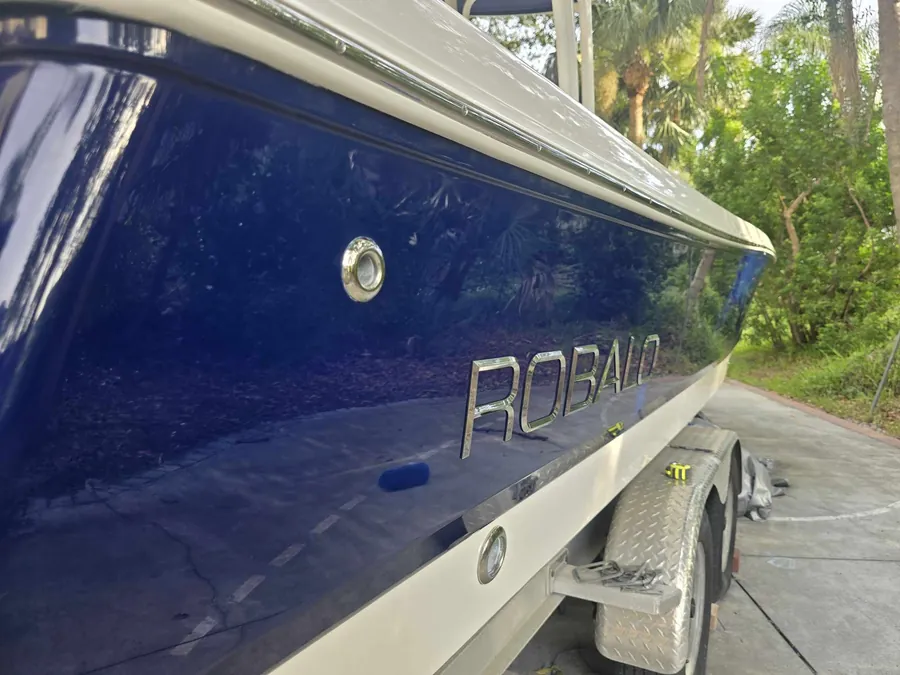
If your boat has been sitting in the Pass-a-Grille sun and saltwater without a fresh protective coating for a couple of seasons, the before-and-after transformation from a full ceramic coating service can be genuinely striking. The most dramatic change most owners notice first is the return of gloss and depth to the hull sides. Gel coat that has oxidized looks flat, chalky, and faded, almost like someone sprayed a fine white haze over the original color. After a proper compound and polish stage followed by ceramic coating application, that same hull looks wet and deep, almost like new fiberglass. Colors that seemed muted come back to life. White hulls that looked dingy and cream-colored return to a bright, clean white. Dark blue or black hulls regain their mirror-like depth.
Beyond the visual gloss, the texture of the surface changes in a way you can feel with your hand. Oxidized gel coat feels slightly rough and porous to the touch, almost like fine sandpaper, because the surface layer has broken down and opened up. After correction and coating, the surface is slick and glassy. Saltwater beads up and rolls off rather than sheeting across and leaving mineral deposits behind. You'll notice this the first time you hose the boat down after a trip. Instead of white salt residue drying onto every horizontal surface, the water beads into droplets and falls away cleanly. That hydrophobic behavior is one of the most practical benefits of ceramic coating in a saltwater environment like Pass-a-Grille, because it dramatically reduces the time you spend on post-trip rinsing and maintenance cleaning.
Deck surfaces and non-skid panels also look noticeably cleaner after the service. Non-skid areas tend to trap sunscreen, fish residue, salt, and grime in their textured surface, and over time that material stains the pattern and makes the deck look perpetually dirty no matter how often you rinse it. After cleaning and ceramic treatment, the non-skid surface resists that kind of buildup. Routine rinsing is much more effective because the treated surface doesn't hold onto contaminants the way an unprotected one does. Hardware and stainless fittings that were cleaned and polished as part of the prep stage look bright and sharp against the refreshed hull. Overall, the boat looks significantly better cared for, which matters both for your own pride of ownership and for resale value down the road. A well-maintained gel coat that has been protected with ceramic coating tells a story of attentive ownership that prospective buyers notice immediately.
What Pass-a-Grille Boat Owners Ask
How do I schedule a boat ceramic coating appointment in Pass-a-Grille?
Scheduling is straightforward. You can reach us by phone, text, or through the contact form on our website. When you reach out, just tell us your name, your boat's approximate size and type, where it's currently kept (dock, marina, lift, or trailer), and roughly when you'd like to have the service done. From there we'll have a quick conversation to get a clear picture of what the job involves, and we'll confirm an appointment date that works for your schedule. We service boats at their current location whenever possible, so you don't need to move the boat to a shop. Most Pass-a-Grille customers prefer to have us come right to their dock or marina slip, and that's exactly how we typically operate.
Does boat ceramic coating work on all boat types and hull materials?
Marine-grade ceramic coating works well on the vast majority of recreational boat hull types common in the Pass-a-Grille area, including fiberglass gel coat (by far the most common), painted fiberglass, and some aluminum surfaces. Whether you have a flats boat, a bay boat, a center console, a walkaround, a cruiser, or a pontoon boat, the fundamental process of surface preparation and ceramic application is adaptable to your hull. The prep work varies by hull material and condition, but the end result is the same: a hard, hydrophobic, UV-resistant layer protecting the substrate beneath it. If you have a specialty hull material or an unusual surface situation, just mention it when you reach out and we'll talk through whether and how the service applies to your specific boat.
How often should I get boat ceramic coating in Pass-a-Grille?
For boats kept and used in the Pass-a-Grille area, the typical service interval is every 18 to 24 months. The marine-grade ceramic coatings we apply are rated for that lifespan under normal use conditions, and most boat owners find that the hydrophobic and UV-protective properties hold up well through that window with minimal maintenance. That said, boats that are wet-slipped full time in high-salinity water, like many of the vessels near Pass-a-Grille Channel and the 8th Avenue marina area, may see slightly accelerated coating wear at the waterline compared to boats that get pulled out regularly. A quick inspection at the 18-month mark helps you gauge where the coating stands. The good news is that re-application at the end of the service life is faster and less intensive than the original job, because the hull is already in good condition from the previous coating cycle.
How does your pricing work and what does a quote involve?
We provide free quotes after a quick conversation about your boat and timeline. There's no obligation involved in getting a quote, and we don't use high-pressure follow-ups. The quote is based on factors like the overall size of the boat, the current condition of the hull and deck, and whether any additional services like heavy oxidation removal or brightwork treatment are needed. Because every boat is a little different, we don't post flat rates online. What we can tell you is that we aim to give you a straightforward, honest number that reflects what the job actually requires, without padding or surprise add-ons after we start. If anything changes during the job that would affect the original quote, we communicate that with you before proceeding.
Do you work at private docks, or do I need to bring my boat somewhere?
We work at private docks all the time. In fact, the majority of our Pass-a-Grille ceramic coating jobs happen right at the customer's own dock or marina slip. We bring everything we need and connect to the water and power at your dock, so you don't have to worry about logistics. If your boat is on a lift, we can work with it on the lift or request it be lowered for the session depending on access and hull area. If you're trailered, we can work with the boat on the trailer in your driveway or at a nearby staging area. The goal is to make the process as convenient as possible for you. Just tell us what your setup looks like when you reach out and we'll coordinate from there.
Service Areas Nearby
While Pass-a-Grille is one of our most active service locations along the lower Pinellas County coastline, Sunrise Marine Detailing LLC works with boat owners throughout the broader Tampa Bay and Gulf-side waterways. If you're keeping your boat a few miles up the beach or across the bay, there's a very good chance we service your area regularly. We also detail boats kept in St. Pete Beach, where many boat owners share the same intracoastal and Gulf-facing conditions as their neighbors in Pass-a-Grille. Treasure Island and Madeira Beach are both regular stops for our crew, covering everything from private residential docks to marina slips along the Boca Ciega Bay shoreline. Further up the peninsula, we work with boat owners in Tierra Verde, which sits just across Pinellas Bayway from Pass-a-Grille and has a large population of boats kept at private docks and community marinas. Gulfport and South Pasadena are also within our regular service corridor, as is the greater St. Petersburg waterfront where larger vessels, liveaboards, and sportfish boats are kept at municipal and private marinas along Tampa Bay. If you're in any of these communities or anywhere in between, reach out and we'll confirm availability in your specific location. We built our business around the idea that boat owners shouldn't have to haul their boats across town for quality detailing work, and we bring that same commitment to every neighborhood across Pinellas County that we serve.
We also serve nearby areas, see Indian Shores or Snell Isle for the same boat ceramic coating work.
Get a Free Quote
Ready to protect your boat with a professional ceramic coating that stands up to the Pass-a-Grille sun and saltwater? Sunrise Marine Detailing LLC is ready to help. Give us a call, send a text, or fill out the contact form below and tell us about your boat. We serve Pass-a-Grille, the Pass-a-Grille Channel waterfront, Bunces Pass, Merry Pier, and all of the surrounding Pinellas County waterways. We'll get back to you quickly, answer your questions honestly, and put together a free quote based on your boat's actual needs. No pressure, no obligations, just straightforward information from a crew that loves boats and takes pride in the work we do on every single one. Call (727) 297-8866 schedule a free quote, or see what other Pass a-Grille owners say.