



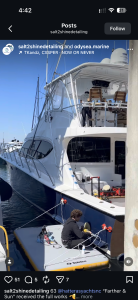
Saltwater Boat Care Guide for St. Petersburg
Key Takeaways
- Rinse your boat with fresh water after every saltwater outing
- Salt accelerates oxidation, corrosion, and vinyl deterioration
- Flush engines, wash the hull, and wipe metal hardware after each use
- Professional quarterly details remove salt buildup you cannot see
Saltwater Boat Care Guide for St. Petersburg
Living in St. Petersburg means having access to some of the most beautiful saltwater boating in Florida. From Tampa Bay to the Gulf of Mexico, our local waters offer incredible opportunities for fishing, cruising, and water sports. However, saltwater boating also presents unique challenges that every boat owner in our area needs to understand. As a mobile marine detailing company serving St. Petersburg and the surrounding Tampa Bay area, we’ve seen firsthand how proper saltwater boat care can make the difference between a vessel that looks great for years versus one that deteriorates rapidly.
Why Saltwater Is So Harsh on Your Boat
Salt is incredibly corrosive and creates several specific problems for boat owners in St. Petersburg. The salt crystals left behind after water evaporates don’t just disappear.they continue working to break down your boat’s surfaces, metal components, and protective coatings. Our Florida sun intensifies this process, creating a perfect storm for boat deterioration.
The combination of salt, UV rays, and constant moisture creates oxidation on gelcoat surfaces, leaving that chalky, faded appearance that’s all too common on boats in our area. Metal components like cleats, railings, and engine parts are particularly vulnerable to corrosion. Even your boat’s interior suffers as salt air penetrates cushions, electronics, and other surfaces.
Essential Post-Trip Cleaning Procedures
The most critical aspect of any saltwater boat care guide for St. Petersburg boat owners is establishing a consistent post-trip routine. Every time you return from saltwater, you should rinse your boat thoroughly with fresh water. This isn’t just a quick spray-down.it needs to be comprehensive.
Start with the engine. Flush your outboard or sterndrive according to manufacturer specifications using a flushing attachment or built-in flush port. Salt buildup in cooling passages can cause expensive overheating damage. While the engine is flushing, rinse the entire exterior of your boat, paying special attention to areas where salt spray accumulates.
Don’t forget about your boat’s underside and trailer. Salt accumulates heavily in these areas and can cause significant corrosion if left unchecked. We recommend a thorough deep boat cleaning every few weeks to address areas that routine rinsing might miss.
Dealing with Oxidation and Fading
Even with perfect maintenance, St. Petersburg’s intense UV exposure and saltwater environment will eventually cause gelcoat oxidation. This chalky, faded appearance isn’t just cosmetic.it actually makes your boat more vulnerable to further damage as the protective gelcoat layer becomes compromised.
Recognizing Oxidation Early
Early-stage oxidation appears as a slight dullness in your gelcoat’s shine. You might notice that areas exposed to the most sun and salt spray look less vibrant than protected areas. As oxidation progresses, the surface becomes noticeably chalky and may feel rough to the touch.
Professional oxidation removal involves carefully removing the damaged gelcoat layer and restoring the underlying material to its original luster. This process requires specific compounds, polishing techniques, and experience to avoid causing damage to the gelcoat.
Protecting Your Investment with Proper Coatings
Prevention is always more cost-effective than restoration. Once your boat’s gelcoat is in good condition, applying a high-quality protective coating creates a barrier against salt, UV rays, and other environmental factors that plague boats in our area.
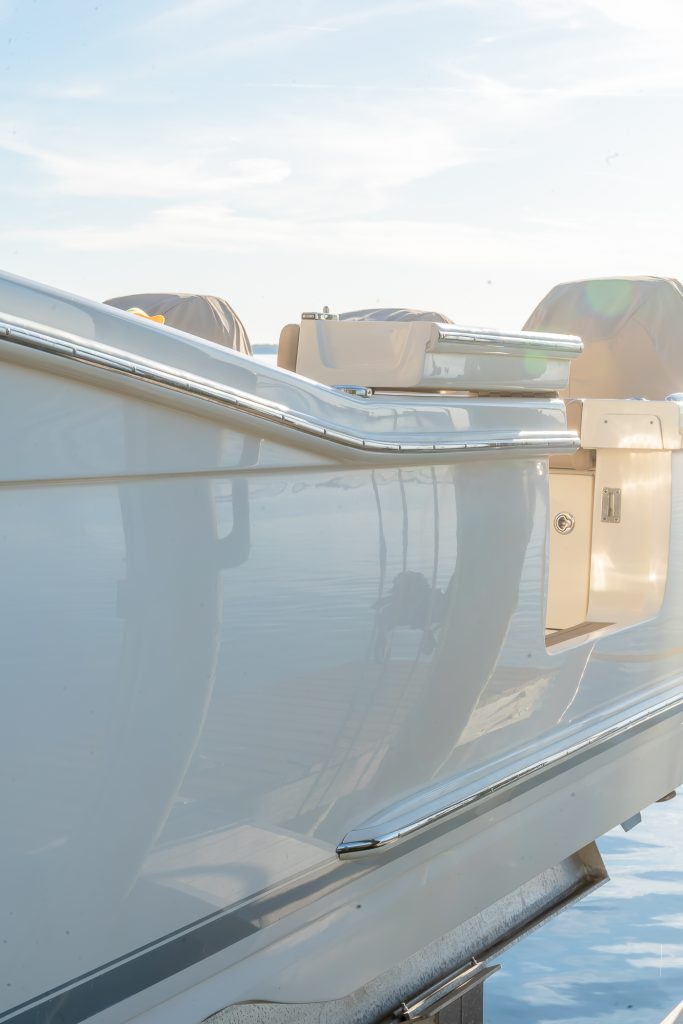
Modern ceramic coating technology offers superior protection compared to traditional waxes. These coatings chemically bond to your gelcoat, creating a durable layer that repels water, resists UV damage, and makes cleaning much easier. The hydrophobic properties mean salt water beads up and rolls off rather than sitting on your boat’s surface where it can cause damage.
Maintenance Between Professional Services
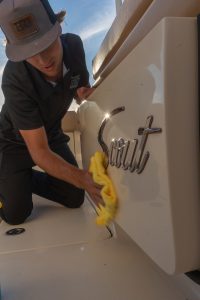
Even with professional coatings, regular maintenance is essential. Wash your boat with marine-specific soaps that won’t strip protective coatings. Avoid using dish soap or automotive products, as these can be too harsh for marine environments and may compromise your protective layers.
Pay attention to your boat’s metal components as well. Stainless steel can still corrode in saltwater environments, especially lower-grade stainless or areas where dissimilar metals create galvanic corrosion. Regular inspection and cleaning of cleats, railings, and other hardware prevents small issues from becoming expensive problems.
Interior Care in Saltwater Environments
Salt doesn’t just affect your boat’s exterior. The humid, salt-laden air in St. Petersburg penetrates your boat’s interior, affecting upholstery, electronics, and other components. Proper ventilation is crucial.use boat covers that allow airflow while protecting from rain and UV exposure.
Clean interior surfaces regularly with marine-appropriate products. Salt residue on switches, electronics, and upholstery can cause premature failure and deterioration. Consider using moisture absorbers and ensure your boat has adequate ventilation to prevent mold and mildew growth in our humid climate.
Seasonal Maintenance Considerations
Florida’s year-round boating season means consistent exposure to saltwater and UV rays. However, summer months bring increased intensity that requires extra attention. During peak summer, consider more frequent professional detailing and be especially vigilant about post-trip cleaning.
Hurricane season presents additional challenges. Properly securing and protecting your boat during storms prevents damage that goes far beyond normal saltwater exposure. Even if your boat isn’t directly impacted by storms, increased humidity and salt spray from distant weather systems can accelerate deterioration.
Professional vs. DIY Maintenance
While basic rinsing and cleaning can be handled by boat owners, certain aspects of saltwater boat care require professional expertise. Boat detailing professionals have the tools, products, and experience to properly address oxidation, apply protective coatings, and identify potential problems before they become expensive repairs.
Professional services also save time and ensure proper techniques are used. Improper polishing or coating application can actually damage your boat’s gelcoat, making professional service a worthwhile investment for most boat owners.
Ready to protect your boat from St. Petersburg’s harsh saltwater environment? Our mobile marine detailing team brings professional-grade equipment and expertise directly to your boat anywhere in Pinellas County and the Tampa Bay area. Contact us today to schedule your boat’s comprehensive care and protection service.
Related Reading
- Full Detail for Boats , Our Most Popular Service ($1,500-$3,000 range)
- Oxidation Removal & Full Restoration
- Marine Ceramic Coating , 2-Year Warranty
- Boat Detailing Prices , Real Numbers
Stainless and chrome get their own pass, see our brightwork and metal polishing page for what we typically handle on the water.
Seats getting funky? Our guide on preventing mold on boat seats page for what we typically handle on the water.